


A VVT solenoid replacement cost usually ranges from about $190 to $900 as of 2026-11-06, depending on the part tier, the shop labor rate and whether you do the work yourself.
The sources used here disagree on exact figures, so treat these numbers as ranges, not quotes. The sections below separate parts, labor and the choice to replace one solenoid or both.
What a VVT Solenoid Does and Why It Fails
The VVT solenoid is an oil control valve that the engine computer uses to adjust camshaft timing. The most common cause of a P0010 code is a faulty VVT control solenoid valve, according to KBB's P0010 explanation.
KBB also lists oil sludge, a faulty crankshaft or camshaft position sensor, and damaged wiring as possible causes. A mechanic checks the bank 1 intake solenoid with a visual inspection and a resistance test, then looks for sludge and frayed wiring. Knowing this helps you judge any quote. Other camshaft timing codes, such as P0011 or P0014, can point to the same area.
A PartCatalog guide lists these common signs of a failing solenoid:
- Check engine light
- Rough idle or hesitation, including stumbling during acceleration
- Fuel economy that drops
- Loss of power or slow acceleration
- Rattling or knocking under load
- Hard starts, most noticeable on cold mornings
Typical VVT Solenoid Replacement Cost Ranges
A VVT solenoid replacement cost typically totals $190 to $350 for budget work, $330 to $550 for mid-range parts, and $550 to $900 for premium parts. These are single-source tier figures as of 2026-11-06.
PartCatalog splits the bill into a part line and a labor line, and its labor line already includes diagnosis. Its intro gives a broader $250 to $900 range, which does not match the $190 starting point in its own table, so read the table as a rough guide. Use it as a baseline for any estimate.
| Tier | Part | Labor (with diagnosis) | Total |
|---|---|---|---|
| Budget | $40 to $100 | $150 to $250 | $190 to $350 |
| Mid-range | $80 to $150 | $250 to $400 | $330 to $550 |
| Premium | $150 to $300 | $400 to $600 | $550 to $900 |
These totals assume one solenoid. PartCatalog notes that some engines use several solenoids for intake and exhaust cams, which changes the total parts cost, so a multi-solenoid engine can push the bill past the table range.
Parts Cost for a VVT Solenoid
A VVT solenoid part costs about $50 to $150 for OEM and $30 to $100 for aftermarket, according to CGSulit's replacement guide. The part is usually the smaller share of the bill, but it still sets the starting point for the VVT solenoid replacement cost.
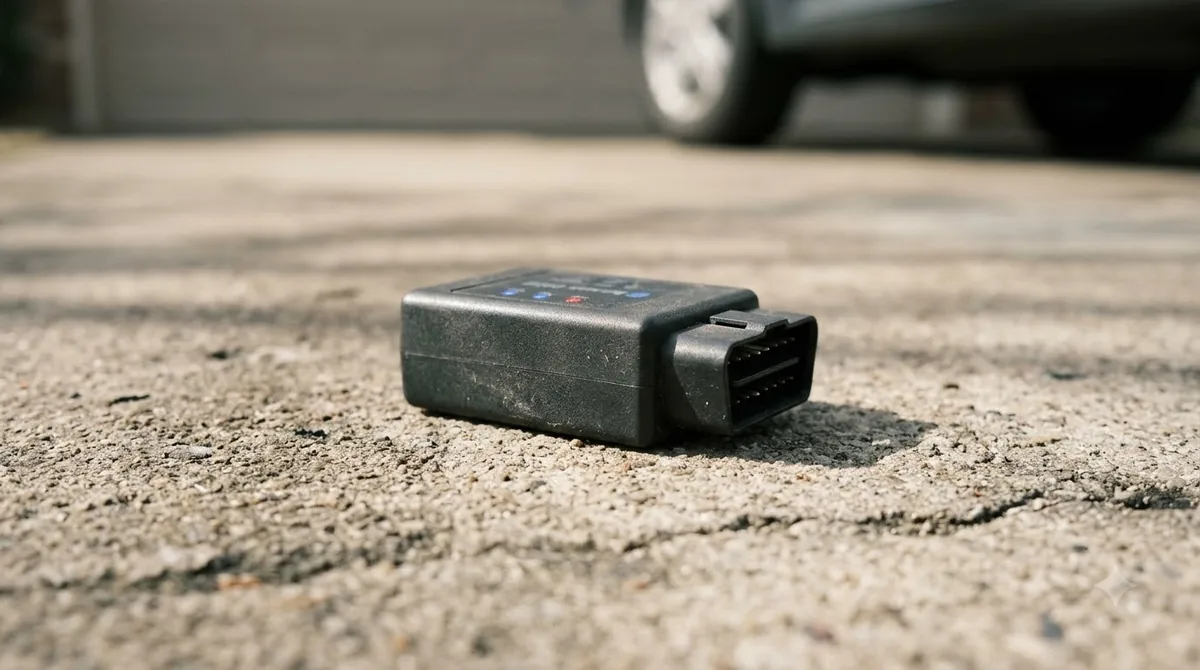
Choosing a part is a trade-off between price and origin. An OEM part costs more, while an aftermarket part saves money but may not match the original fit. Ask the shop which brand it installs before you agree to an estimate.
Because labor is billed separately, a cheaper part saves less on the total than the gap in part prices suggests. Compare the full total, not only the part line.
Labor Cost and Job Time
Shop labor for a VVT solenoid replacement usually runs $80 to $200 per CGSulit, depending on region. Dealer service is usually higher than an independent shop. Labor is a large share of the VVT solenoid replacement cost.
PartCatalog gives hourly rates of $85 to $150 at independent shops and $120 to $200 at dealerships, as of 2026-11-06. A straightforward replacement takes one to three hours, and a tight engine bay or extra diagnosis can add time.
Another PartCatalog page gives a wider labor range of $150 to $500, which shows how far sources differ. Ask the shop for its labor hours and hourly rate in writing, then compare that quote with the tier table above to check the VVT solenoid replacement cost.
DIY or Pay a Shop
Doing the job yourself cuts the bill to parts and basic supplies. CGSulit puts a DIY total at $30 to $150, compared with a shop total of $150 to $350, and most vehicles take 30 minutes to an hour. For a DIY job, the VVT solenoid replacement cost is mostly the part.

CGSulit describes the replacement as generally straightforward for someone with basic tools and some mechanical knowledge. That makes it a realistic DIY job on many engines, but a cramped engine bay or a multi-solenoid layout can make it harder.
Gather these items before you start:
- An OBD-II scanner to confirm the code before you buy parts
- Basic hand tools for the solenoid and its connector
- Engine oil, which CGSulit lists as optional but recommended
- The service procedure for your exact engine
DIY saves the labor line, but a wrong diagnosis still costs you parts. Confirm the code and the fault first, because a wrong guess raises the VVT solenoid replacement cost.
Diagnosis Before You Pay
Before you buy a solenoid, confirm the fault. PartCatalog recommends an OBD-II scan as the first step, and KBB describes a resistance check on the bank 1 intake solenoid. A correct diagnosis protects the VVT solenoid replacement cost you pay.
- Read the fault codes with an OBD-II scanner.
- Check the oil level on the dipstick, then judge the oil color and consistency.
- Inspect the solenoid connector for corrosion and damaged wiring.
- Test the solenoid resistance, as KBB describes for the bank 1 intake solenoid.
- Listen for timing-related noise at idle and during light acceleration.
PartCatalog gives no separate diagnosis price in its VVT solenoid replacement cost table, because its labor line already includes it. Ask whether a diagnostic fee applies if the shop finds a different fault.
Replace One Solenoid or Both
You usually replace only the faulty solenoid, and both only when both show wear, according to CGSulit's guide. That choice can change the VVT solenoid replacement cost by one part and one labor set, which is why the diagnosis matters.
A second solenoid costs a second part. If one solenoid is clearly the fault and the other shows no wear, a pair replacement adds cost without fixing a new problem. Replacing one keeps the VVT solenoid replacement cost lower than a pair.
On a multi-solenoid engine, ask the shop which solenoid failed and what its test showed before you approve the work. A written note of the failed part keeps the quote clear.
Ways to Keep the Bill Lower
The simplest way to lower a VVT solenoid replacement cost is to confirm the solenoid is the fault before you buy parts. Dirty oil is cited as a failure cause, so oil maintenance is part of prevention.
- Confirm the code and the solenoid fault before buying parts.
- Check the oil level and condition, since dirty oil is a cited failure cause.
- Keep up with oil changes using the manufacturer-recommended oil.
- Compare a written quote that lists the year, make, model and engine.
- Ask whether a diagnostic charge is billed separately.
Frequently Asked Questions
How much does a VVT solenoid replacement cost on average?
The VVT solenoid replacement cost tiers in this guide run from $190 to $350 for budget work to $550 to $900 for premium parts, as of 2026-11-06. Part tier and shop labor account for most of the gap, and engines with several solenoids cost more. Get a written quote for your exact vehicle.
Can I replace a VVT solenoid myself?
Often yes. CGSulit calls the job generally straightforward with basic tools and some mechanical knowledge, taking 30 minutes to an hour on most vehicles. Read the code with a scan tool first, because a wrong diagnosis still costs money in parts.
Do I need to replace both VVT solenoids?
Usually not. CGSulit advises replacing both only if both show signs of wear, and replacing just the faulty one otherwise. Confirming which solenoid failed helps you avoid paying for a second part you do not need.
What are the signs of a bad VVT solenoid?
PartCatalog lists a check engine light, rough idle or hesitation, a drop in fuel economy, lost power, a rattle under load, and hard cold starts. Several of these also appear with other engine faults, so a scan is the best next step.
Can low oil cause VVT solenoid problems?
Dirty oil is listed as a failure cause by CGSulit, and KBB names oil sludge as a possible cause of P0010. Checking the oil level and condition is a simple first step. Regular oil changes with the manufacturer-recommended oil help prevent solenoid trouble, according to the same guide.
How long does a VVT solenoid replacement take?
A straightforward replacement takes one to three hours in a shop, according to PartCatalog. CGSulit gives 30 minutes to one hour for a DIY job on most vehicles. Tight engine bays and extra diagnosis add time, so ask the shop for its estimated labor hours.
Before you approve any VVT solenoid replacement cost estimate, get a written quote for your exact vehicle, confirm the code, and ask which solenoid failed. That one check can keep you from paying for a part you do not need, and it gives you a clear number to compare against the ranges above.
