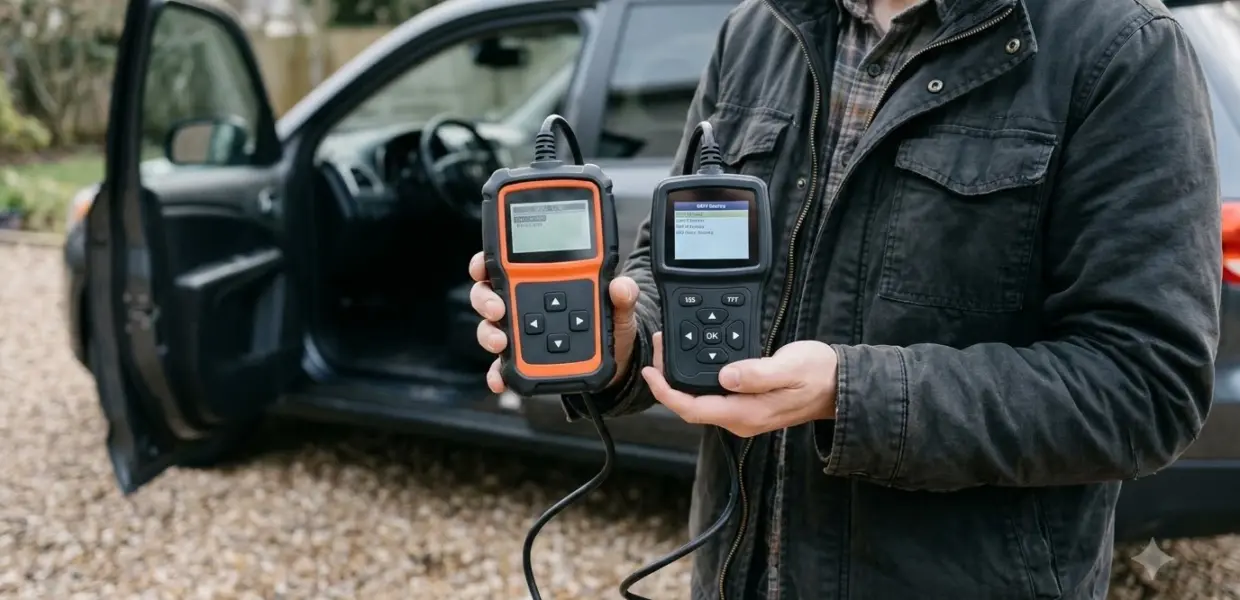

A VW Tiguan check engine light means the engine control system has logged a fault. The amber engine symbol lights up for an engine control malfunction and flashes for a misfire.
A steady light calls for service soon. A flashing light calls for slowing down and getting service as soon as possible. Read the stored code before you pick a fix, since a loose gas cap and a misfire can both set it.
What the VW Tiguan Check Engine Light Means
On a VW Tiguan, the amber engine symbol lights for an engine control malfunction and flashes for a misfire, according to Volkswagen’s warning light guide.
Volkswagen’s warning and indicator light page lists those two meanings for the amber engine symbol. The same page says the meaning of lights can vary between models, so the owner’s manual for your exact Tiguan remains the reference. It also lists separate red warnings for low coolant level, high coolant temperature and low oil pressure, each marked “Stop!”, so if one of those appears with the amber engine symbol, stop driving and get help.
A lit VW Tiguan check engine light does not name the faulty part. It tells you the engine control system has detected a condition it treats as a malfunction. The stored trouble code, read with a scanner, is what narrows the search.
Because one light covers many possible faults, treat it as a prompt to check rather than a diagnosis. Volkswagen also uses a separate power-related warning, covered in the VW Tiguan EPC light guide. The sections below explain how to judge urgency, the simplest cause to rule out first, and where emissions bulletins fit.
Steady or Flashing: How Urgent Is the VW Tiguan Check Engine Light?
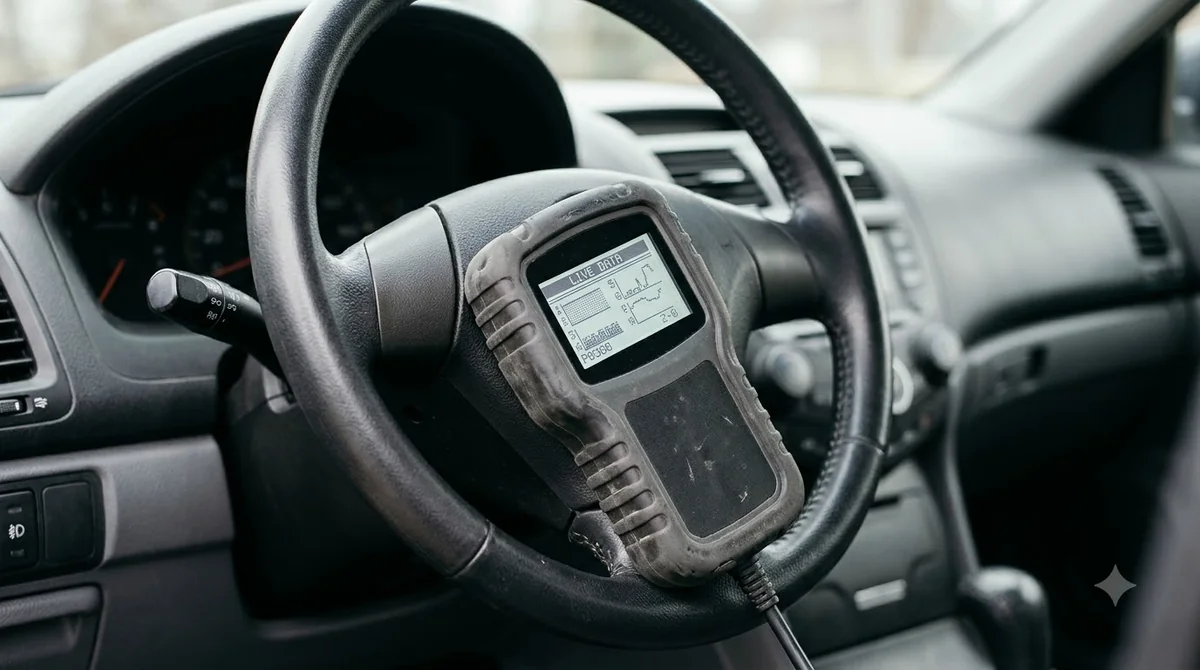
A steady light on a Tiguan means get service soon, while a flashing light means reduce speed and seek service as soon as possible.
The EPA’s on-board diagnostics fact sheet says the light is meant to inform the driver of the need for service, not of the need to stop the vehicle. That is the guidance for a steady VW Tiguan check engine light. The fact sheet is dated May 1997, so the owner’s manual for your model year remains the final reference.
| Light | What it means | What to do |
|---|---|---|
| Steady | Engine control fault found; service is needed, but the EPA says it is not a reason to stop the vehicle | Book a scan soon and watch for changes in performance |
| Flashing | A rather severe level of engine misfire, according to the EPA | Reduce speed and seek service as soon as possible |
A flashing VW Tiguan check engine light is treated differently. The EPA says the driver should reduce speed and seek service as soon as possible. A steady light that comes with rough running or lost power deserves a faster visit to a shop than a light that stays steady on an otherwise normal drive.
A Loose Gas Cap Can Turn On the Light
A loose gas cap is one possible reason a VW Tiguan check engine light comes on, because the car’s system detects the vapor leak.
The EPA fact sheet says the onboard system can detect the vapor leak that exists when the cap is not completely tightened. After the cap is tightened, the light should be extinguished within a few days. The EPA adds that this is not an indication of a faulty OBD system.
If the light appeared right after refueling, check the cap first. Use this order:
- Tighten the cap until it is fully seated.
- Inspect the rubber seal for cracks, debris or wear.
- Drive for a few days and check whether the light goes out.
If the light stays on after several days of normal driving, the cap was probably not the cause. The stored code is the next step at that point.
Misfires and Why a Flashing Light Matters
A misfire is a cylinder that is not burning its fuel properly, and the EPA warns that severe misfire can damage the catalytic converter.
The EPA says severe misfire over even a short period can seriously damage emission control components, especially the catalytic converter. That is the main reason a flashing light should not be treated like a steady one. Volkswagen’s warning light guide ties the flashing amber symbol to a misfire as well.
A cylinder-specific misfire code, such as P0302 for cylinder 2, points to one cylinder, but it does not say why the misfire happened. The shop still has to test the cause before parts are replaced, so ask what was tested before you approve a repair.
VW Emissions Software Updates and Bulletins
Volkswagen has issued emissions software bulletins that cover some Tiguan model years, so the VIN decides whether a particular car is in scope.
As of 2026-11-06, the Tiguan bulletin list on CarComplaints.com shows an engine and transmission control module software update from September 2020 that addresses elevated tailpipe emissions found in testing. The same list shows a dealer version dated September 15, 2020, and a revised version dated October 29, 2020. The list does not state model years for that item.
Because the public list gives no model years or trouble codes for that item, it cannot be matched to your VW Tiguan check engine light by code alone. Only a VIN check at a dealer settles whether it applies.
Volkswagen’s September 2020 service action 24GA, posted by NHTSA, describes the same kind of control module update and says it addresses concerns about proper operation of the malfunction indicator lamp. That document lists 2018 Beetles, not Tiguans, so it shows what such an update covers rather than what applies to your car.
The same list also shows misfire diagnostic aid bulletins issued in 2021, 2022 and 2023, again without model years. A VW dealer can check these against your VIN before you assume any of them applies.
Read the Code and Check Your VIN
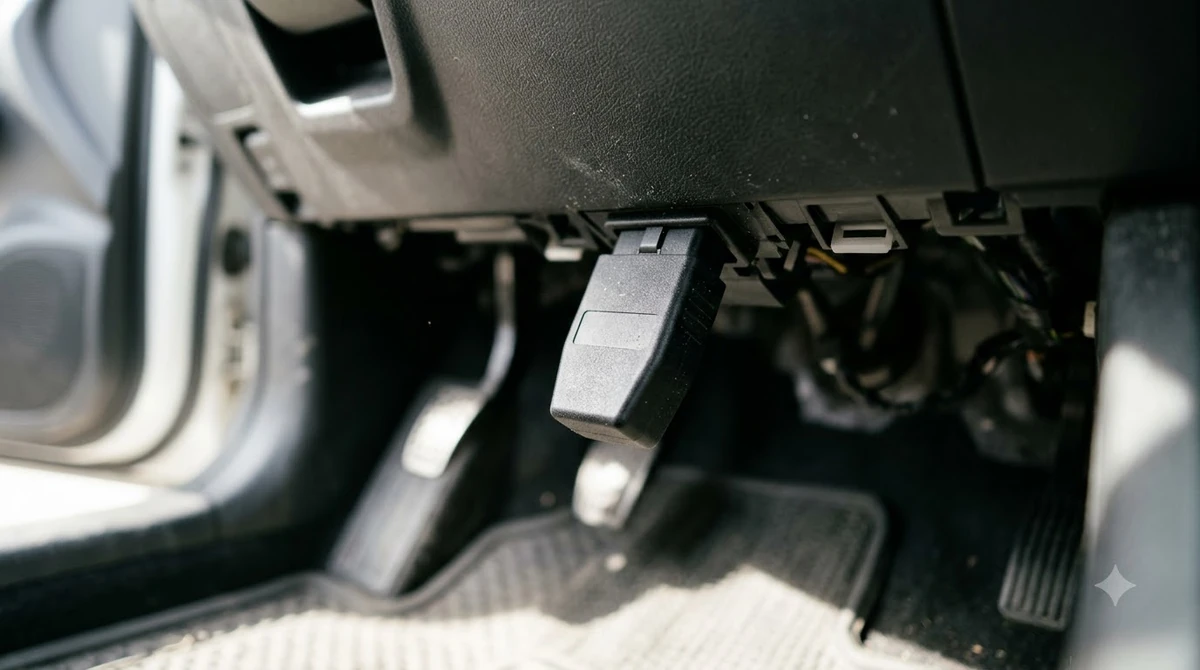
An OBD-II scanner reads the stored code behind a VW Tiguan check engine light, and a VW dealer can compare your VIN with open bulletins before any repair is approved.
- Read the stored code with an OBD-II scanner (VW and Audi owners can see how VCDS works on VW models) and write it down with the light’s behavior, steady or flashing.
- Note the Tiguan’s model year and VIN from the registration or the dashboard plate.
- Ask a VW dealer to check the code and VIN against open bulletins, and ask whether any campaign applies.
Dealer scan fees vary by shop and region, so ask for the price before the scan starts. Clearing the code without a repair only removes the stored information, and the light returns if the fault is still present.
The code narrows the search but does not replace a test. Approve a repair only after the shop explains what was tested and what failed.
Related Guides
Frequently Asked Questions
Why is my VW Tiguan check engine light on?
A VW Tiguan check engine light can come on for a loose gas cap, a misfire, or another fault that only a scan can identify. Volkswagen’s guide ties the amber symbol to an engine control malfunction, which covers many possible faults. Read the stored code first, since it points to the system to check.
Is it safe to drive with the check engine light on?
A steady VW Tiguan check engine light is meant to signal that service is needed, not that you must stop the vehicle, according to the EPA. Watch for rough running or lost power, and book a scan soon. A flashing light means a severe misfire, so reduce speed and seek service as soon as possible.
Is a flashing check engine light on a Tiguan an emergency?
A flashing VW Tiguan check engine light is urgent and needs a prompt visit to a shop. The EPA describes it as a rather severe level of engine misfire, so the driver should reduce speed and seek service as soon as possible. Severe misfire over even a short period can seriously damage the catalytic converter, so do not wait for the next routine service.
Can I reset the check engine light myself?
You can clear the code behind a VW Tiguan check engine light with a scanner, but the light returns if the fault is still there. Clearing it before the cause is known also removes the information a shop needs. Fix the cause first, then clear the code and check whether the light stays off over the next several drives.
Does a loose gas cap cause the VW Tiguan check engine light?
A loose cap can trigger a VW Tiguan check engine light. The EPA says the onboard system can detect a vapor leak from a cap that is not completely tightened. Tighten the cap, and the light should go out within a few days. The EPA also says this is not an indication of a faulty OBD system.
How do I check for a VW bulletin on my Tiguan?
Give a VW dealer your VIN and the trouble code, and ask whether any bulletin or campaign applies to that car. Public bulletin lists show model years for some items but not all, so the VIN check is the step to rely on. Ask for the answer in writing before the repair is approved.
If the VW Tiguan check engine light flashes, or stays on with rough running or lost power, get the car to a shop soon and do not wait for the next routine service. If the light is steady and the car drives normally, read the code this week and check it against bulletins for your VIN. Do not clear the code before the cause is known.