
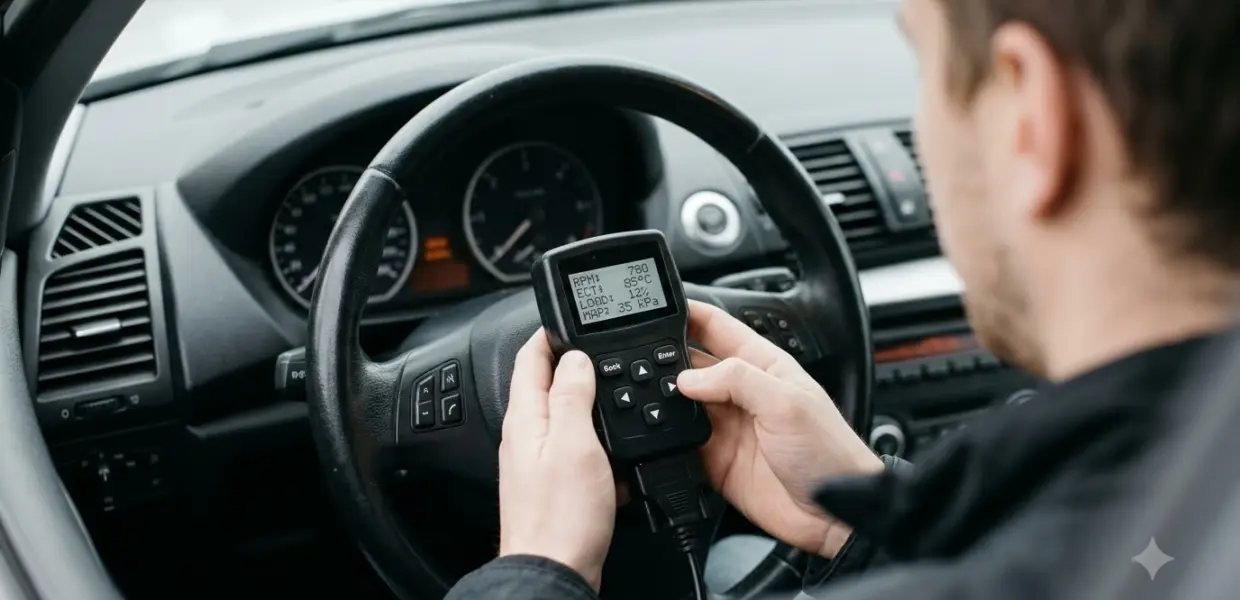

A brake light on dashboard usually means the parking brake is still applied or the brake system has a fault. Check the parking brake first. If the light stays on after the parking brake is fully released, stop driving and have the brakes checked.
The red brake light on dashboard is a safety warning about the brake system, not a minor reminder. Check the parking brake first, then the brake fluid level with the engine off.
This article is general information drawn from manufacturer owner’s manuals and a US federal test form. It cannot diagnose your vehicle. Your owner’s manual and a qualified technician have the final word.
What a Brake Light on Dashboard Usually Means
The brake light on dashboard lights when the parking brake is applied with the ignition on, when brake fluid is low, or when the brake system has a fault.
Mazda’s owner’s manual for the 2024 MX-5 describes the lamp the same way. It stays on continuously when the brake fluid is low or when the brake system has a fault, including the electronic brake force distribution system. Brake warning light and red brake light on dash are common names for this same lamp.
A brake light on dashboard can light for a few seconds when you turn the ignition on. Nissan’s Qashqai owner’s manual says it stays lit briefly at start-up, and that if it lights at any other time, the brake system may not be functioning properly.
Most drivers who search for a brake light on dashboard want one answer: is it safe to drive? The honest answer depends on what the lamp does next. A lamp that goes out after you release the parking brake is a different situation from one that stays on, and the rest of this article explains how to tell them apart.
Check the Parking Brake First
Releasing the parking brake fully is the quickest test for a brake light on dashboard, because the lamp is designed to light whenever the parking brake is applied with the ignition on.
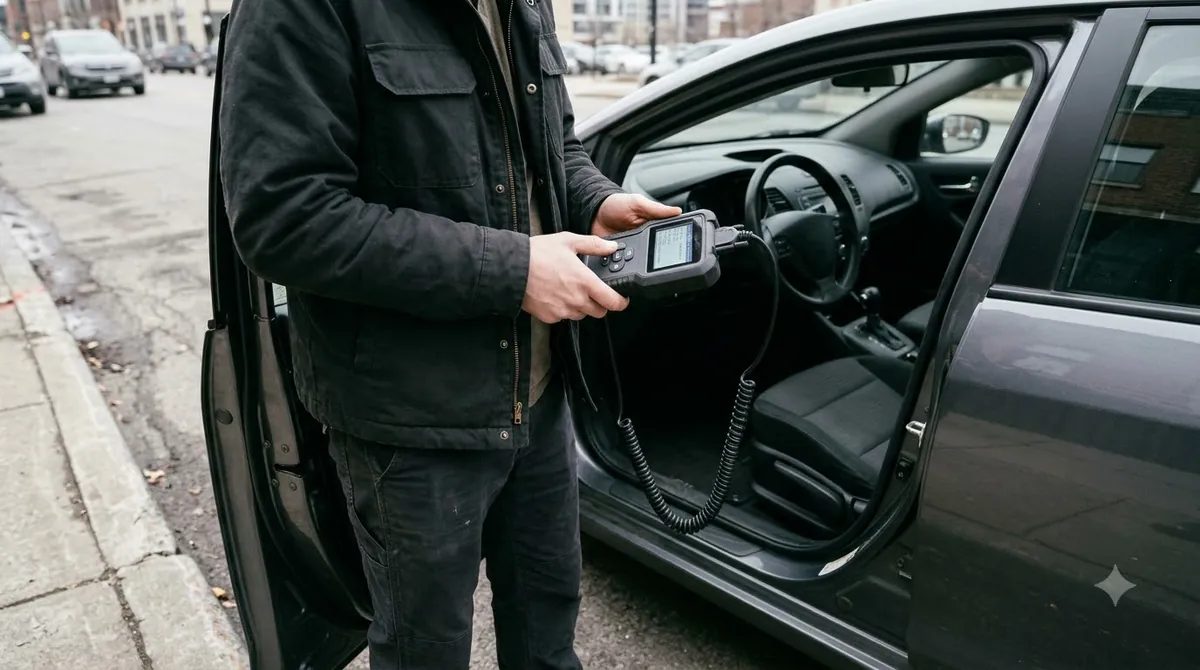
- Stop on level ground and switch the ignition to ON.
- Release the parking brake fully, then watch the dashboard.
- If the light goes out, the parking brake was the likely cause. If it stays on, move to the next section.
Mazda’s manual stresses that the parking brake must be fully released before anything else, because a partly released brake can keep the lamp on. Some cars use an electronic parking brake, and the owner’s manual explains how to release it.
| Cause | What the lamp does | Your next step |
|---|---|---|
| Parking brake still applied | Lights while applied, goes out after release | Release fully and check again |
| Brake fluid low | Stays on after the parking brake is released | Check the fluid with the engine off, then have it inspected |
| Brake system fault | Stays on, and may light with the ABS warning light | Stop in a safe place and have it inspected |
A brake light on dashboard that comes on only while the parking brake is set is the easy case. Take the next step only after you have ruled that out, because the next step applies to a lamp that stays on.
Why the Light Stays On With the Parking Brake Off
If the lamp stays on after the parking brake is fully released, the brake fluid may be low or the brake system may have a fault.
Low fluid is a warning sign, not a routine top-up. The fluid level is one of the things that can trigger the brake light on dashboard, so a low reading means the cause needs to be found, not just the reservoir refilled. A shop can also check fluid condition, and this guide covers testing brake fluid for moisture.
When a brake light on dashboard stays on with the parking brake off, the next step is a fluid check, not a guess about the cause. Mazda’s manual places low fluid and a system fault under the same warning, which is why the check comes first and the inspection follows it.
US federal test rules for vehicle brakes say the brake system warning indicator can be activated by fluid level or by differential pressure. Both triggers are listed in NHTSA’s FMVSS No. 135 test form, which manufacturers complete for each vehicle they submit.
Worn brake pads are a separate repair topic. The manuals checked for this article name low fluid and brake system faults as causes, and they do not name worn pads for this lamp.
Can You Keep Driving With the Light On?
No. Mazda’s manual says not to drive with the brake system warning light illuminated, because the brakes may not work at all or could fail.
Mazda’s MX-5 owner’s manual calls driving with the lamp lit dangerous, and says the brakes may not work at all or could completely fail at any time. A brake light on dashboard that stays on is a reason to plan a stop, not a reason to test how far the car will go.
Nissan’s Qashqai manual adds that pressing the brake pedal with low fluid may increase stopping distance, and that braking needs more pedal effort and more travel. Mazda’s CX-30 manual gives the same warning in practical terms: you may need to press the pedal harder than normal to stop the vehicle.
Many drivers ask whether a brake light on dashboard means they can make it home. The manuals do not give a safe distance for that trip. Mazda says not to drive with the light lit, so a short trip is still a trip with a warning active.
What to Do Step by Step
Park somewhere safe, confirm the parking brake is fully released, check the brake fluid level with the engine off, then have a qualified shop inspect the brakes if the lamp stays on.
- Park in a safe place immediately. Mazda’s manual gives the same instruction when the warning stays on.
- Confirm the parking brake is fully released and watch the lamp.
- With the engine off, check the brake fluid reservoir against its MIN and MAX marks.
- If the level is below MIN, do not drive. Nissan’s Qashqai owner’s manual says the brake system must be checked by a dealer or qualified workshop first.
- If the lamp stays on, have a qualified workshop or authorized dealer inspect the brakes.
Tell the technician when the brake light on dashboard came on and whether it stayed on after the parking brake was released. Where a car has a separate brake fluid low light, follow the same steps. Nissan’s manual also says to have the vehicle towed if driving it could be dangerous.
Each step above is a reason to stop and call for help, not a reason to test the brake pedal by driving farther. Repeated test drives on a brake light on dashboard are the mistake to avoid, because the lamp is reporting a system condition that a short drive cannot confirm or clear.
Brake Warning Light Together With the ABS Light
If the brake warning light and the ABS warning light come on together, stop safely right away, because the rear wheels could lock more quickly in an emergency stop.
Mazda’s Mazda3 manual says not to drive when both lamps are illuminated. The ABS light is a separate lamp with its own causes. For one model-specific example, see how an ABS warning light differs on an Altima.
A brake light on dashboard that appears together with the ABS light is the most serious combination covered here, so treat it as a stop-now situation. Pull over where it is safe, and arrange a tow or a visit to an authorized dealer rather than driving on.
Related Guides
Frequently Asked Questions
Why does my brake light come on at start-up?
The brake light on dashboard can light for a few seconds when you switch the ignition on, according to Nissan’s Qashqai owner’s manual. Mazda’s CX-30 manual says the same lamp may light at engine start, and if it stays on after you park, the vehicle should be inspected. If it lights at any other time, the brake system may not be functioning properly.
Will the brake light turn off by itself?
Not if the cause is low brake fluid or a brake system fault. Mazda’s manual says that after you confirm the parking brake is fully released, the brakes should be inspected immediately if the light is still on. Do not rely on the lamp going out while you keep driving, because a lamp that goes out for a moment does not show that the brakes are fine.
Is it safe to add brake fluid and keep driving?
No, not as a fix. Nissan’s manual says that if the fluid is below the MIN mark, do not drive until the brake system has been checked by a dealer or qualified workshop. Low fluid is a symptom that needs a cause found, so a top-up does not replace an inspection.
Is the brake light the same as the ABS light?
No. They are separate lamps. Mazda’s Mazda3 manual says that when the brake warning light and the ABS warning light are on together, you should not drive, because the rear wheels could lock more quickly in an emergency stop.
Does a brake light on dashboard mean my pads are worn?
The manuals checked for this article name low brake fluid and brake system faults as causes. They do not name worn pads for this lamp, so do not assume that cause. A technician can inspect the pads along with the fluid level and the brake system.
How soon should I get the brakes checked?
Right away, if the lamp stays on after the parking brake is fully released. Mazda says to have the brakes inspected immediately in that case. Nissan says to stop the vehicle immediately and contact a dealer or qualified workshop if the brake warning light comes on.
If you cannot tell whether the parking brake is fully released, treat the brake light on dashboard as a warning. Park safely, do not drive on a guess, and let a qualified technician confirm the cause before the next trip.
