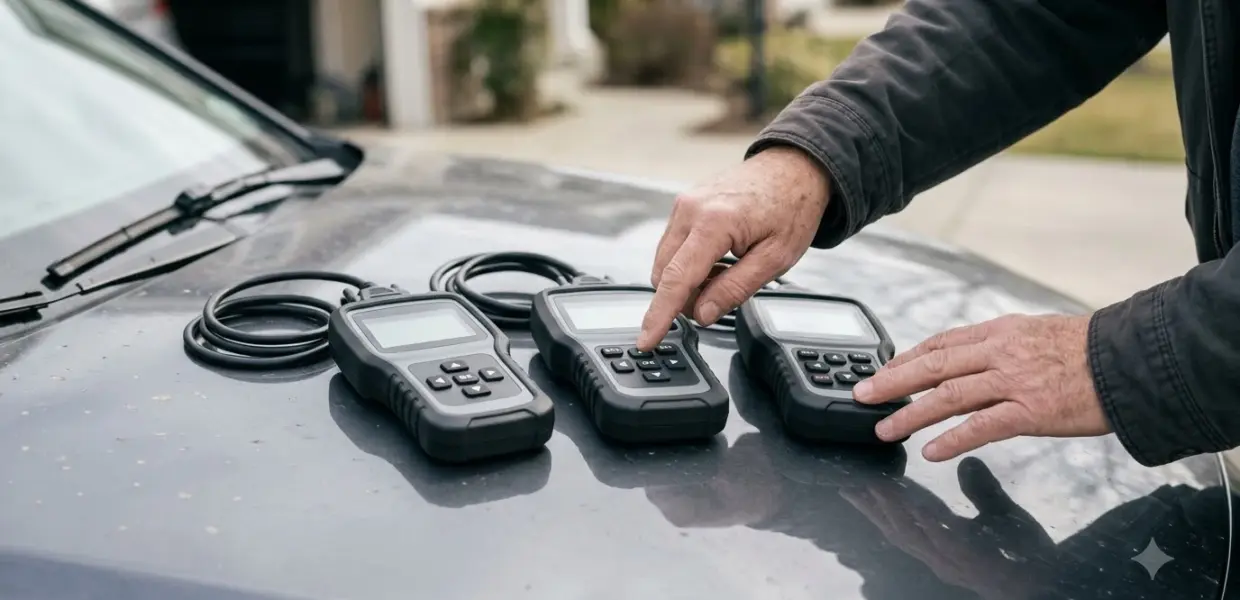

P0087 means the fuel rail pressure is lower than the engine computer expects, and the malfunction indicator lamp can come on with it. An Audi service bulletin lays out a clear check order that starts with the pressure sensor.
That order applies to the models the bulletin lists. Use it as a guide to the logic, then confirm the procedure for your own vehicle before you replace any part.
P0087 Code: Fuel Rail Pressure Too Low Explained
P0087 is the code for fuel rail or system pressure that is too low. The Audi bulletin lists it as “Fuel Rail/System Pressure – Too Low,” and it appears with the MIL on.
The same bulletin groups P0087 with three related codes. P0088 means fuel rail pressure is too high, P0192 means the fuel rail pressure sensor A circuit has a low input, and P119A means the fuel pressure sensor G247 has a malfunction. Those neighbors matter because a sensor fault can set one of these codes.
Anyone searching for a p0087 code meaning needs one point first: the code describes a pressure reading. It does not name the part that caused the reading, so the checks below are what separate a sensor fault from a pump problem.
Think of the code as a comparison. The engine computer expects one pressure, measures a lower one and stores the code. Finding which side of that comparison is wrong is the job of the checks in the sections that follow.
What Causes a P0087 Code
The Audi bulletin points to three main paths and one mechanical cause. The paths are the fuel pressure sensor, the wiring to that sensor and the high pressure fuel pump. The mechanical cause it names is the intake camshaft.
- A fuel pressure sensor that reads differently from a test gauge.
- Wiring to the fuel pressure sensor that adds a fault to the reading.
- A high pressure fuel pump that cannot hold fuel pressure.
- Mechanical failure of the high pressure fuel pump or the intake camshaft, which the bulletin lists only after the sensor and holding pressure checks.
The bulletin applies to specific Audi models from 2008 to 2012. Those are the A3, A4, A5 and A5 cabriolet, the Q5 for 2011 and 2012, and the TT from 2009 to 2012, with vehicle-specific equipment codes listed for each.
The bulletin places the pump and camshaft checks after the sensor and wiring checks. Starting with the pump is therefore not the order the bulletin describes, even when a P0087 seems to point at it first.
How the Checks Work: Sensor, Wiring, Then Pump
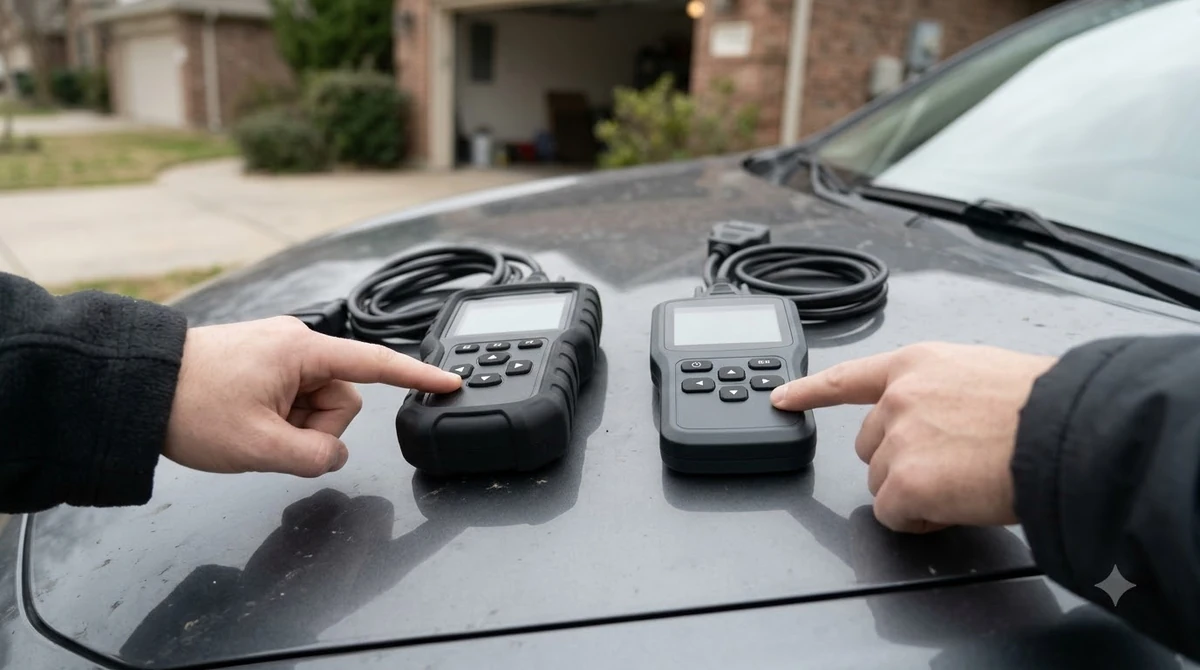
Audi technical service bulletin uses a fixed order, and the order matters because each step rules out a cause before the next one. The first check compares the sensor reading with a test gauge. The bulletin describes the sequence in the vehicle’s repair manual under fuel injection and ignition, so use that path for your model.
- Run the fuel pressure sensor test and compare the sensor reading with the test gauge.
- If the difference from the tester reading is greater than 500 kPa, test the wiring to the sensor using guided fault finding in the tester.
- If the difference stays greater than 500 kPa after the wiring test, replace the fuel pressure sensor.
- If the difference is less than 500 kPa, check the fuel holding pressure with the high pressure pump.
- If holding pressure is the issue, consider mechanical failure of the high pressure fuel pump or the intake camshaft.
- If the diagnosis is still unclear, contact the Technical Assistance Center that the bulletin names.
Each step narrows the cause before any part is bought. A sensor that passes the gauge test and the wiring test does not need replacing, so the pump becomes the next suspect.
Keep the test results written down. Record the gauge reading, the tester reading and the difference in kPa for each run, since the 500 kPa threshold is the number that decides the next step.
Sensor or Pump: Which One Is Causing P0087?
The 500 kPa threshold is the decision point in the Audi bulletin. The table below shows how each result leads to the next action.
| Sensor test result | Next step in the bulletin |
|---|---|
| Difference above 500 kPa | Test the wiring, then replace the sensor if the difference stays above 500 kPa |
| Difference below 500 kPa | Check fuel holding pressure with the high pressure pump |
A result below 500 kPa does not clear the pump of blame. It only moves the investigation to holding pressure, where the bulletin points to the high pressure fuel pump and the intake camshaft as possible mechanical causes.
Each result in the table leads to a different part or to more testing, so no single reading settles the question by itself. Read the result, follow the next step and keep the outcome with the car’s records.
A common mistake is to replace the pump after one low pressure reading. The bulletin’s threshold is about the gap between the sensor and the gauge, so read that gap in kPa before buying a pump.
Does This Guide Apply to Your Car?
The Audi bulletin is informational only, and it does not apply to any Audi warranty. Its scope covers the 2008 to 2012 models named above, so a car from another make or year needs its own service information.
Check the vehicle’s make, model, year and engine before you use the order above. Write those details on the repair record so the diagnosis can be traced later. If your car is outside the bulletin’s scope, ask a technician to pull the bulletin or repair information for your exact vehicle.
Before you apply the P0087 steps, match the vehicle-specific equipment codes to your car. The bulletin lists codes such as CBFA, CCTA, CAEB and CETA, so two cars with the same model year can differ by engine and equipment.
Can You Drive With a P0087 Code?
The Audi bulletin does not set a mileage limit for a P0087, and it does not say the car is safe to drive with the MIL on. Treat the code as a diagnosis item to address soon rather than a warning to ignore.
If the engine stumbles, stalls or will not start, stop driving and have the vehicle checked. Those symptoms mean the fuel supply may be unreliable, and the code alone does not show how close the problem is to failing.
If the code clears and returns, do not assume the repair worked. Repeat the sensor test and the holding pressure check, because the bulletin’s steps are designed to find the cause rather than to hide the code.
If you take the car to a shop, give the technician the stored codes, the model, the year and the sensor reading you recorded. That information lets them start at the same step as the bulletin and saves diagnosis time. Ask them to note the result of each step on the repair order.
Do not mix repairs from different bulletins. A fix written for one model can misdirect the diagnosis on another, so confirm each step against the bulletin for your exact vehicle before acting on it.
Related Guides
Frequently Asked Questions
What does P0087 mean?
P0087 means the fuel rail or system pressure is too low, according to the Audi bulletin’s DTC list. It is a pressure reading that the engine computer does not expect, and it appears with the MIL on.
Is P0087 the fuel pump or the sensor?
The code alone cannot say, so the gauge reading decides the next part to consider. The bulletin tests the sensor first. If the sensor reading is more than 500 kPa away from the tester, the wiring is checked, and the sensor is replaced if the gap remains. If the gap is under 500 kPa, the investigation moves to the high pressure fuel pump.
Can a bad wire cause P0087?
The bulletin says to test the wiring to the sensor when the reading is off by more than 500 kPa, before replacing the sensor. A wiring fault can make a good sensor look bad, so the wiring test comes before the part swap.
Does clearing P0087 fix it?
No. The bulletin is a diagnostic procedure, and clearing the stored code does not change the pressure the sensor or pump reads. Record the stored codes and the sensor reading before you clear anything, so the next check starts from the same data.
Should I replace the fuel pump first?
No, not according to the Audi bulletin. It tests the sensor and the wiring first, then checks fuel holding pressure before it moves to pump or camshaft failure. Replacing the pump first skips the checks that could show a cheaper cause.
Record the stored codes and the sensor reading before you replace any part. Follow the sensor, wiring and pump order, confirm the scope for your model, and bring the results to a technician if the code returns.