

The Honda Accord check engine light means something is wrong with the engine. It can point to a minor problem, such as a loose gas cap, or to a serious fault that can damage the car if you keep driving. A steady light calls for a check soon, while a flashing light means you should stop.
A Honda Accord check engine light alone does not show which fault it is, so the steps below help you narrow it down. Check the gas cap first, read the stored code if you can, and have a technician confirm the cause if the light stays on.
What the Honda Accord Check Engine Light Means
The check engine light, also called the malfunction indicator lamp, is the dashboard warning that tells you the engine has a fault. According to fueleconomy.gov’s maintenance tips, the light can be something as minor as a loose gas cap, but it can also be a more serious issue that reduces fuel economy, raises emissions, or leads to costly repairs later. You cannot tell the difference from the light alone, so treat every lit light as information you need to act on.

The way the Honda Accord check engine light behaves matters as much as whether it is on. Three patterns are worth knowing:
- A steady light means a fault is stored and should be checked as soon as possible.
- A flashing light means an active problem, usually a misfire, and needs immediate action.
- An intermittent light comes on and off, so note when it happens, such as during acceleration, on the highway, or at low speed.
Diagnosis guides for the 2018 to 2022 Honda Accord with the 2.0L 4 cylinder turbo engine follow the same pattern. On that model, a steady Honda Accord check engine light should be treated as a stored fault, and a flashing one as an active fault. Other model years and engines can store different codes, so confirm the details for your own car before you buy parts.
Start With the Gas Cap
A loose or damaged gas cap is the simplest cause to check, and tightening it can reset a steady light. The cap seals the fuel system, so a poor seal lets fuel vapor escape and the car’s self-test flags a leak. Checking the cap costs nothing and should come before any other step for a Honda Accord check engine light.
- Turn the engine off and open the fuel door.
- Remove the cap and check the threads and the rubber seal for cracks, grit, or damage.
- Refit the cap and turn it until it clicks, then close the fuel door.
- Drive for a couple of days and see whether the light goes off on its own.
A loose cap can set an evaporative system leak code such as P0442 for a small evaporative leak, which a scanner reading will show.
The leak test does not run on every drive, so a fixed cap can take a few days before the Honda Accord check engine light clears. If the light stays on after you have checked and tightened the cap, the cause is probably elsewhere in the fuel vapor system or in another part of the engine. Reading the stored code becomes the next step. The same approach applies to Honda’s minivan, covered in what the Honda Odyssey check engine light means.
Read the Trouble Code
An OBD-II scanner reads the trouble code stored behind a Honda Accord check engine light, and that code tells you where to start. A basic handheld reader or a plug-in dongle paired with a phone app is enough for most owners. The reader plugs into the OBD-II port, which the CarCareKiosk diagnosis guide for the 2019 Accord shows you how to find.
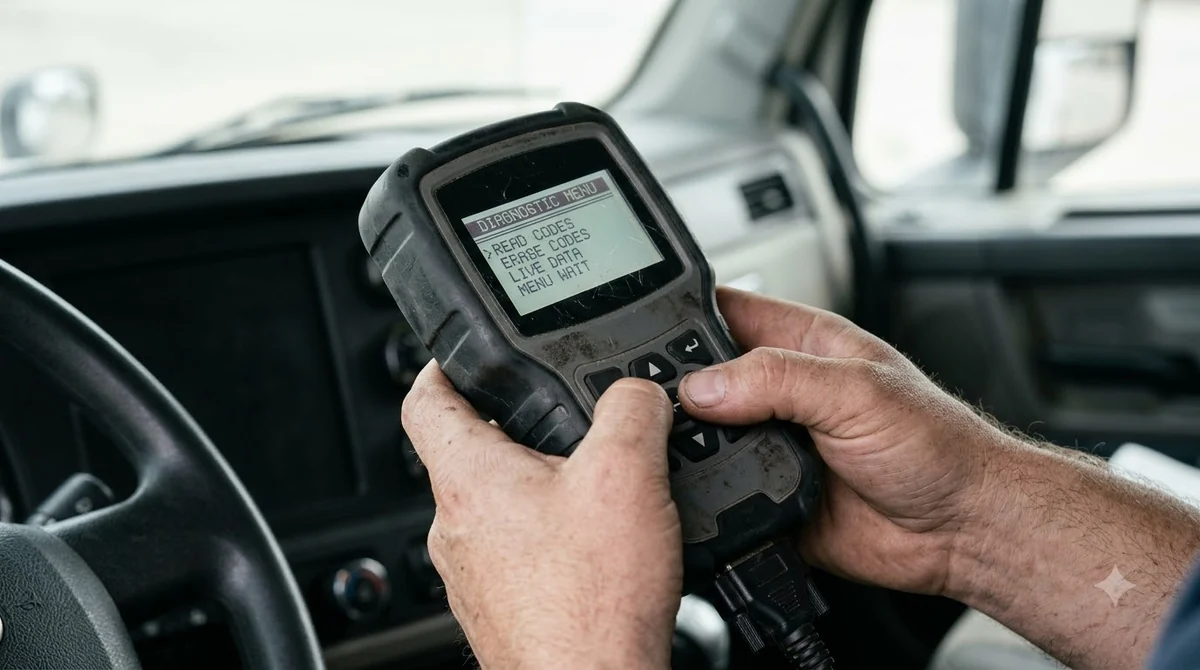
- Find the OBD-II port and plug in the scanner with the ignition on.
- Read the stored codes and write each one down before you change anything.
- Look up each code and note whether it points to a leak, a misfire, a sensor fault or another system.
- Clear the code only after you have recorded it and fixed the cause, or if a technician asks you to.
Clearing the light without fixing the cause does not solve the problem, and the light usually returns once the fault is detected again. Each code behind a Honda Accord check engine light is a starting point, not a verdict. If you do not know what a code means, a technician can review the stored data and confirm the fault before you buy parts.
When the Light Flashes
A flashing Honda Accord check engine light means the engine is misfiring, and continuing to drive can damage the catalytic converter. Pull over when it is safe, turn the engine off, and arrange a tow or a visit to a shop instead of driving on it.
Steady vs flashing
A steady light is a warning to check the car soon, especially if you notice performance problems or unusual noises. A flashing light is an emergency signal, so reduce speed, stop as soon as it is safe, and turn the engine off.
A misfire can damage the catalytic converter, which is an expensive part to replace, so a flashing warning should never be treated as a wait-and-see item. The light may stop flashing after you stop, but the fault can still be present, so have the car checked before you drive it again.
When to See a Mechanic
A steady Honda Accord check engine light should be checked within days, and any light that comes with rough running, loss of power, or unusual noises should be checked the same day. A shop can confirm the cause that a basic scanner reading cannot. A tire-pressure symbol is a different warning, and the Accord TPMS light reset guide cover it.
- The light flashes, or the car runs rough or loses power.
- The code is unknown, or the same code returns after you cleared it.
- The Honda Accord check engine light stays on after you checked and tightened the gas cap.
- You want a technician to confirm the fault before buying parts.
Tell the technician the conditions when the Honda Accord check engine light came on, such as speed, temperature, and whether it blinked. Those notes often narrow the diagnosis more than the code alone, and they cost you nothing to write down.
Frequently Asked Questions
Can a loose gas cap turn on the check engine light?
Yes, a loose or damaged cap can trigger the light. Tightening the cap or replacing a worn seal often resolves it, though the light can take a few days to clear because the leak test does not run on every drive.
Is it safe to drive with the check engine light on?
A steady Honda Accord check engine light usually allows you to drive to a shop soon, but a flashing light means stop driving and turn off the engine. If the car runs rough or loses power, do not wait for an appointment.
Does clearing the code fix the car?
No. Clearing the code without fixing the cause does not solve the problem, and the light usually returns when the fault is detected again. Record the code first so a technician can use it.
Do I need a dealer to read the code?
No. An OBD-II scanner can read the stored code at home, and most shops with a scan tool can read it too. A dealer or technician is most useful when the code is unclear or the fault comes back.
What if the light is steady but the car drives normally?
Check it soon, because a steady light still means a fault is stored. A normal drive does not prove the problem is minor, and a scanner reading shows whether the code points to a leak or an engine fault.
Will the light turn off by itself?
Sometimes. After a loose cap is fixed, the light can clear once the leak test passes on later drives. If the fault is still present, the light stays on or comes back, so do not rely on it going away.
Start with the gas cap and a scanner reading for any Honda Accord check engine light, and treat a flashing light as a reason to stop. A steady Honda Accord check engine light that survives a cap check should be diagnosed before you buy any parts.