
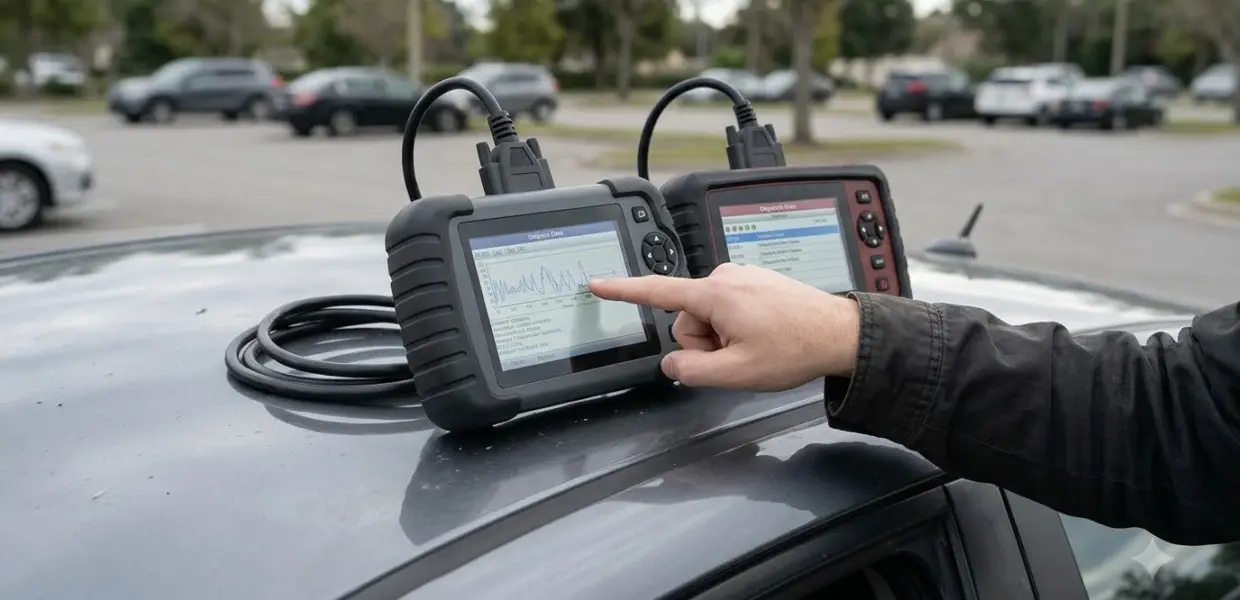

P0101 Nissan is a mass air flow (MAF) circuit range or performance code. It means the engine computer reads airflow outside the range it expects. Most cases need an intake check and a bulletin check before any part is replaced.
Nissan’s own bulletin covers 2013-2018 Sentra models with this code, but only when the check engine light is on and the car drives normally. Check your VIN against it before you start any repair.
P0101 Nissan: What the Code Means
According to a Volkswagen service bulletin hosted by NHTSA, P0101 sets when mass air flow is too high or too low. The full DTC name is mass or volume air flow sensor “A” circuit range/performance. For the version that applies to every make, see the general P0101 code guide.
Nissan’s bulletin uses its own wording, MAF SEN/CIRCUIT-B1, for the same fault. A P0101 Nissan code therefore points to the airflow reading, not to one confirmed broken part. The check engine light, which the bulletin calls the MIL, stays on while the code is stored.
Think of the code as a mismatch report. The engine computer expects a certain airflow for the speed and load it sees, and when the sensor signal and that expectation disagree, the code is stored. The mismatch does not say which part failed, which is why the bulletin and the inspection steps come first.
Causes Behind a P0101 Code
A P0101 Nissan code can come from the MAF sensor, but air leaks, throttle deposits and wiring faults are also worth checking first.
The engine computer compares the airflow reading with what it expects, so anything that changes that reading can set the code. Checking the intake path and wiring before the sensor avoids replacing parts that may not be at fault.
Air leaks are a good example. Air that enters the engine after the sensor is never measured, so the computer expects more airflow than the sensor reports. The Sentra bulletin asks technicians to clean the throttle valve and chamber on 2013-2016 models, which shows that throttle deposits are a known factor on that engine.
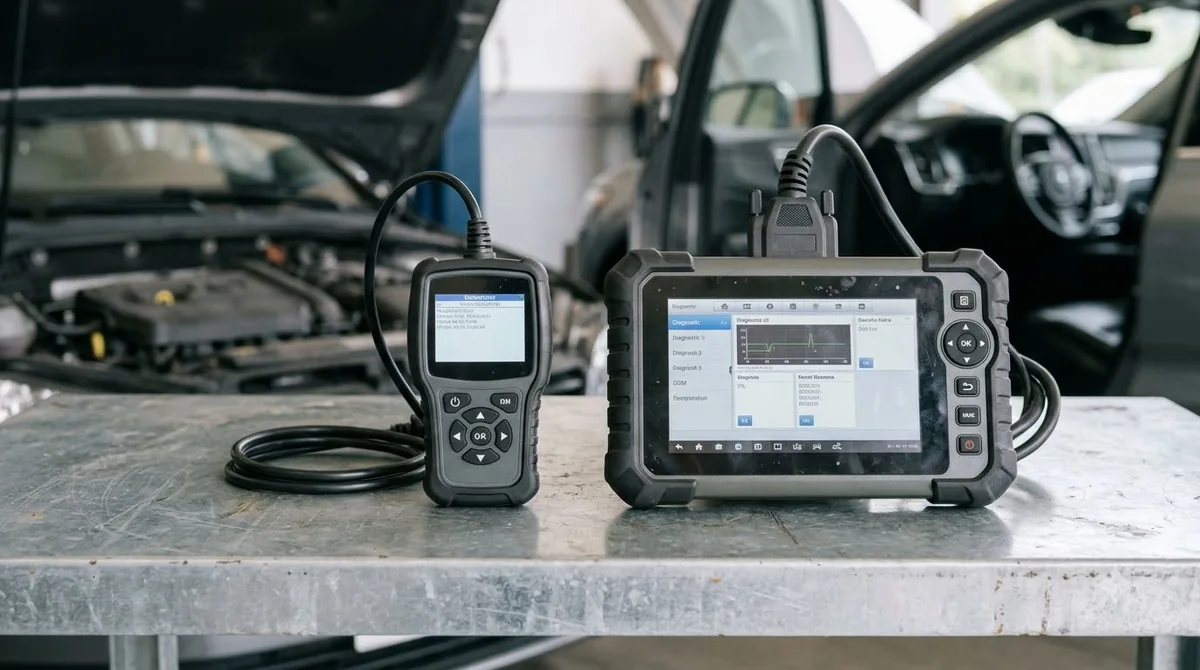
- Air leaks in intake hoses, clamps or gaskets located after the MAF sensor
- Deposits on the electronic throttle valve and chamber, which the Sentra bulletin asks technicians to clean
- Loose or damaged wiring and connectors at the MAF sensor
- ECM software that needs the reprogramming step in the Sentra bulletin
Do not replace the MAF sensor only because this code is stored. Nissan’s bulletin does not list a MAF sensor replacement among its actions, which are the PCV valve check, throttle cleaning and ECM reprogramming.
Symptoms of a P0101 Nissan Code
The clearest sign of a P0101 Nissan code is a lit check engine light with no drivability problems, which is the case Nissan’s bulletin covers. If the light comes back after a reset, the service engine soon light guide lists the next steps.
Nissan’s bulletin applies only when the light is on and there are no drivability issues. Some owners report poor fuel economy, hesitation, rough idle or stalling with this code.
If the car hesitates, idles roughly or stalls, it falls outside the bulletin’s scope. Have a technician check it before you drive it far.
These symptoms also appear with many other airflow and engine faults, so they do not prove the sensor is the cause. The no-drivability-issues condition in Nissan’s bulletin is the clearest test available in the Nissan source, and it should guide the first decision.
Nissan Sentra Bulletin NTB16-027d
Nissan bulletin NTB16-027d, amended on May 25, 2018, covers 2013-2018 Sentra models with the non-turbo MRA8DE engine, and the required action depends on the model year.
According to Nissan’s bulletin hosted by NHTSA, the repair applies to a P0101 Nissan code only when the MIL is on and the car has no drivability issues. The bulletin covers 2013-2017 Sentras for all VINs and dates.
The actions depend on the model year, and each action is conditional. A 2017 Sentra may need only reprogramming, while a 2013 Sentra can involve all three actions. Work from the table and your VIN, not from memory of another model year.
| Model years | Actions in the bulletin |
|---|---|
| 2013-2014 | Inspect the PCV valve and replace it if orange; clean the throttle valve and chamber; reprogram the ECM if step 6 confirms |
| 2015-2016 | Clean the throttle valve and chamber; reprogram the ECM if step 6 confirms |
| 2017-2018 | Reprogram the ECM if step 6 confirms |
2013-2014 Sentra: PCV Valve and Throttle Cleaning
Inspect the PCV valve first. An orange valve should be replaced with a new one, which is black. Then clean the throttle valve and chamber with carburetor cleaner on a cloth towel, not a paper towel, and never spray the ETC chamber directly. Warranty repairs require Nissan’s Genuine Low VOC carburetor cleaner.
2015-2018 Sentra: ECM Reprogramming
The bulletin asks for an ECM reprogram only when step 6 of its reprogramming section confirms it, using Table A. If the car does not match, Nissan says reprogramming is not needed. The update requires CONSULT-III plus, and a voltage drop during reprogramming can damage the ECM.
How to Diagnose a P0101 Nissan Code
Start by matching your VIN to Nissan’s bulletin, then inspect the intake for leaks before you buy a sensor. Work through the checks in order, since each one can rule out a cause before you spend money on parts.
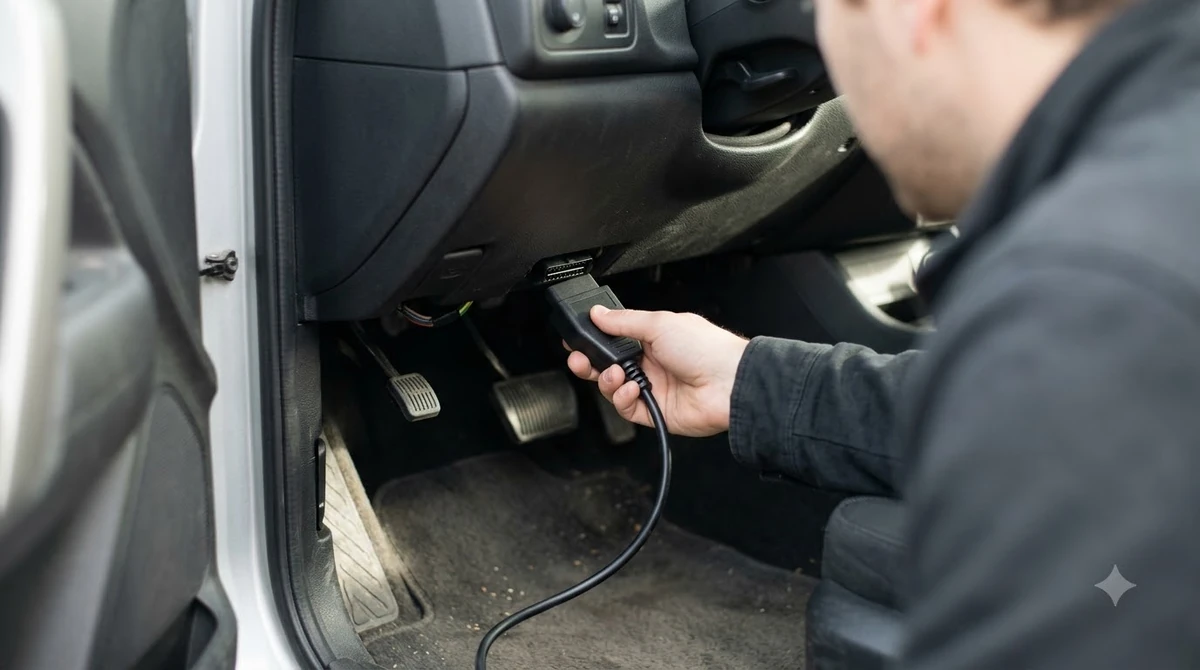
- Confirm the code is P0101 and write down any other codes stored with it.
- Check your VIN and model year against bulletin NTB16-027d.
- Inspect intake hoses, clamps and gaskets after the MAF sensor for air leaks.
- Check the MAF sensor connector and wiring for looseness or damage.
- On 2013-2016 Sentras, clean the throttle valve and chamber as the bulletin describes.
- Ask a Nissan dealer to confirm whether ECM reprogramming applies.
Keep notes on each step, including the VIN, the date and any readings you took. If the code returns, a dealer or technician will ask for this history, and it helps you avoid repeating checks that already passed.
After any repair, clear the code and drive the car. If the light returns, the cause is still present, and a dealer should check the ECM and the bulletin conditions for this P0101 Nissan code.
When to Get a Dealer or Technician Involved
A Nissan dealer or qualified technician should handle ECM reprogramming, because the bulletin is written for technicians and a failed update can damage the ECM.
The bulletin says it is intended for qualified technicians with the right tools, training and safety knowledge, not do-it-yourselfers. Reprogramming needs CONSULT-III plus, so a P0101 Nissan repair beyond the intake checks belongs with a shop.
- The car is outside the 2013-2018 Sentra range in the bulletin
- The check engine light is on and the car has drivability problems
- Intake and wiring checks do not clear the code
- Step 6 of the bulletin confirms that reprogramming is needed
A dealer can also confirm the current bulletin version. The document states it has been amended, and Nissan asks readers to discard all previous versions. A dealer can also tell you whether your car falls outside the bulletin, which is the fastest way to avoid a repeat diagnosis.
Frequently Asked Questions
Does clearing the P0101 Nissan code fix the problem?
No. Clearing the code only removes the stored fault, and it returns if the cause is still present. Repair the cause first, then clear the code and road test the car to confirm the light stays off.
Will cleaning the MAF sensor fix a P0101 Nissan code?
Nissan’s Sentra bulletin does not list cleaning the MAF sensor as an action, so Nissan does not confirm that step. Check the bulletin and inspect the intake and wiring first. Handle any sensor with care, because it is a delicate electronic part.
Is a P0101 Nissan code serious?
It can be. Nissan’s bulletin addresses the code when the light is on and the car has no drivability problems. If the car hesitates, idles roughly or stalls, have a technician diagnose the P0101 Nissan code before driving it far.
Which Nissan models does the P0101 Nissan bulletin cover?
Nissan bulletin NTB16-027d covers 2013-2018 Sentra models with the MRA8DE non-turbo engine. Check the VIN and build date in the bulletin, because the 2018 cutoff depends on the VIN and February 27, 2018. Other Nissan models may have separate bulletins, and the Nissan Altima check engine light guide shows how a different model is handled.
Can I reprogram the ECM myself?
No. Nissan’s bulletin is written for qualified technicians, and reprogramming needs CONSULT-III plus. A voltage drop or interrupted connection during the update can damage the ECM, so a dealer or qualified shop should do it.
Should I replace the MAF sensor for a P0101 Nissan code?
Not on the code alone. Nissan’s bulletin says not to assume a condition applies until it is confirmed. Check for air leaks, wiring faults and the bulletin conditions first, and replace the sensor only after a technician confirms it has failed.
Before you buy a part for a P0101 Nissan code, confirm whether the bulletin applies to your VIN and ask a dealer to check the ECM. That check can prevent replacing a MAF sensor that is not at fault.
