
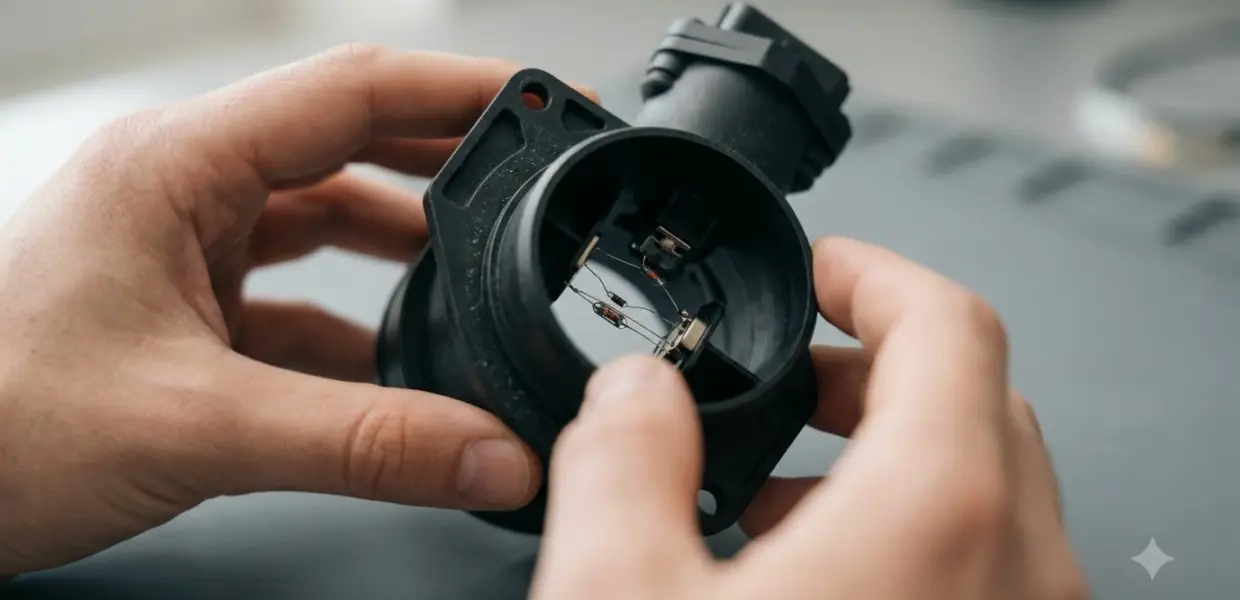

Crankshaft position sensor replacement cost is usually $143 to $223 for a typical car as of November 4, 2026. The sensor part is cheap, so the price depends mostly on how hard it is to reach.
Access difficulty and shop labor rates drive most of the bill, not the part. Check the battery and wiring before you buy a new sensor, since other faults can set the same code.
Repair prices vary by vehicle, region and shop, so get a written quote before you approve any work. This article is general information and does not estimate the price for your specific car.
How much does crankshaft position sensor replacement cost?
Crankshaft position sensor replacement cost for a straightforward job runs about $143 to $223 in total, and some jobs reach $600 to $800. According to Jerry’s cost estimate, last updated November 3, 2026, that range covers most standard cars.
Service Buddy’s 2026 estimate for a Toyota Camry runs $190 to $333, with price data reviewed in August 2026. Crankshaft position sensor replacement cost estimates differ by source, and the gap shows that the car model matters. A higher quote for the same job is not automatically a bad quote.
Some jobs cost far more. Jerry’s estimate says the total can occasionally reach $600 to $800 when major components must come off to reach the sensor. Hard-to-access sensors can cost $200 to $500 or more at a professional shop.
What the crankshaft position sensor does
The crankshaft position sensor tells the engine computer how fast the crankshaft is spinning and where it sits in its rotation. That signal is the reference the computer needs for engine timing. Its camshaft counterpart works alongside it, and camshaft sensor cost ranges shows what that sensor costs.
The computer uses the signal to time fuel injection and spark. Jerry’s page describes the same role, saying the sensor lets the computer know exactly how fast the engine is turning.
Because the signal drives fuel and spark timing, a bad sensor shows up as a driveability problem, and diagnosis often matters as much as the crankshaft position sensor replacement cost. The engine may crank without starting, stall or idle roughly rather than setting a clear warning light right away.
Cost by access level
Access difficulty decides how many labor hours the job takes, and that is the biggest reason two quotes for the same car differ. As of November 4, 2026, the crankshaft position sensor replacement cost figures below come from the estimates named earlier.
| Job | What the source lists | Labor time |
|---|---|---|
| Easy access, DIY | $26 to $106 for the part only | 1 to 2 hours |
| Easy access, shop | $143 to $223 total for straightforward cases | 40 to 50 minutes of sample labor |
| Hard access, DIY | Not listed in the source | 2 to 4 or more hours |
| Hard access, shop | $200 to $500 or more | 1 to 2.5 or more extra hours |
Labor is usually the bigger variable in crankshaft position sensor replacement cost on a hard-to-reach sensor. Each extra hour adds to the bill, so the same part can end up in a very different total.
Labor time and parts prices
Across the sample quotes, the crankshaft position sensor replacement cost splits into parts at $25 to $130 and labor for an easy-access sensor at about $75 to $97. Jerry’s sample quotes show parts from $25.08 to $130.19 and labor from $75.26 to $97.35 for 40 to 50 minutes of work.
The part is often a smaller share of the crankshaft position sensor replacement cost than the labor line. Price shopping for the part alone rarely saves much, because Jerry warns that ultra-cheap sensors can have a high failure rate. A second failure means a second labor charge.
A useful quote shows three things. Ask for each item before you approve the work.
- The part price, with the brand and whether it is new
- Labor hours, not just a flat total
- Any relearn line, which Jerry says adds labor time and a small charge
When the bill climbs above the typical range
The crankshaft position sensor replacement cost climbs when the sensor sits behind other parts, because the shop must remove those parts before it can reach the sensor. The 40 to 50 minute sample applies to easy access only.
- Hard-to-reach sensors can add 1 to 2.5 or more hours of labor.
- Jobs that require major components removed can reach $600 to $800.
- Relearns add labor time and a small line item.
- Balancer, starter or subframe work usually means a professional job.
Jerry advises booking a pro when access requires balancer, starter or subframe work, or when a relearn is required. A quote far above the typical crankshaft position sensor replacement cost is worth a question. Ask which parts must come off and how many labor hours the estimate assumes.
Check the cause before buying a new sensor
A low battery and a faulty wire can set a crankshaft sensor code, so testing them first can keep the crankshaft position sensor replacement cost from being spent on the wrong part. Common symptoms include cranking without starting, stalling, unstable idle, hesitation and a check engine light that may appear after driving. To confirm the sensor is really at fault, how to test a crankshaft position sensor checks the connector, the wiring and the signal first.
Battery voltage is the first check. A NHTSA-hosted Toyota tech tip says low battery voltage can contribute to a check engine light for P0335, the crankshaft position sensor circuit code. If the chain is a concern instead, timing chain repair costs covers that job.
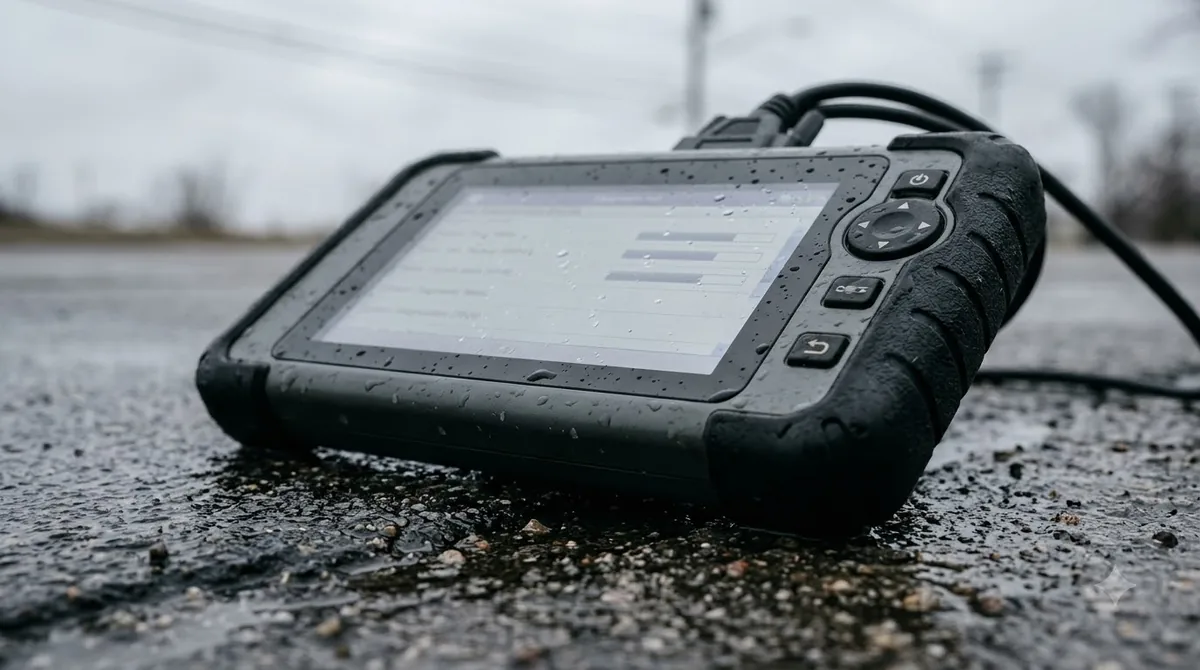
Work through these checks before you replace the sensor: A digital multimeter for wiring checks helps with the wiring step.
- Read the trouble code and its freeze frame data.
- Confirm battery voltage was above 11 volts when the code was set.
- Inspect the wiring for oil-soaked or brittle sections.
- Rule out fuel pump and ignition module faults, which can mimic a failed sensor.
- Replace the sensor only after those checks point to it.
Can you replace the sensor yourself?
Easy-access sensors suit a careful home mechanic, while sensors behind the starter, balancer or subframe usually go to a shop. Jerry rates the easy-access DIY job at intermediate skill, with 1 to 2 hours of work and a part at $26 to $106.
Hard access takes 2 to 4 or more hours, which raises the crankshaft position sensor replacement cost, and the risk ranges from low to high depending on how the sensor is reached. A DIY swap that does not fix the fault wastes both the part and your time.
If you hire out, ask for parts and labor on separate lines. That makes it easier to compare quotes and to spot a relearn charge or a labor estimate that assumes hard access.
Frequently Asked Questions
Does the crankshaft position sensor replacement cost include the part?
A quote can show the part and labor together or on separate lines, so ask for both. Sample part prices in the source range from $25.08 to $130.19, while easy-access labor runs $75.26 to $97.35. Comparing the two lines shows where the difference comes from.
Can I replace a crankshaft position sensor myself?
Yes, if the sensor is easy to reach. The DIY estimate for crankshaft position sensor replacement cost is 1 to 2 hours for easy access, with a part at $26 to $106. Hard-access jobs take 2 to 4 or more hours, and the source advises a professional when balancer, starter or subframe work is needed.
Can a weak battery cause a crankshaft sensor code?
Yes. A Toyota tech tip says low battery voltage can contribute to a check engine light for P0335. Check the freeze frame data for voltage below 11 volts. If the battery was low, fix the charging or battery problem first and see whether the code returns.
Why does the crankshaft position sensor replacement cost vary between shops?
Shop labor rates and how hard the sensor is to reach drive most of the gap. Jerry notes that totals can run higher in higher-rate areas or on tightly packed engines. Ask each shop for its labor hours and hourly rate so you can compare quotes on the same basis.
Will the car still start with a bad crankshaft position sensor?
Often not. A failing crankshaft sensor can leave the engine cranking without starting, or stalling while driving. Heat can make a marginal sensor drop out, and it may restart after it cools. Have the code read before replacing the part, since fuel pump and ignition faults cause similar symptoms.
How long does the crankshaft position sensor replacement take?
Sample shop labor for an easy-access sensor is 40 to 50 minutes. Hard-to-access sensors add 1 to 2.5 or more hours, and DIY hard access can take 2 to 4 or more hours. Relearns add time too, so ask the shop for total labor hours in writing.
Before you approve the crankshaft position sensor replacement cost, test the battery and read the code, then ask for an itemized quote with labor hours. If the estimate is far above the typical range, ask which parts must come off. A short check now can keep you from paying for a sensor the car does not need.
