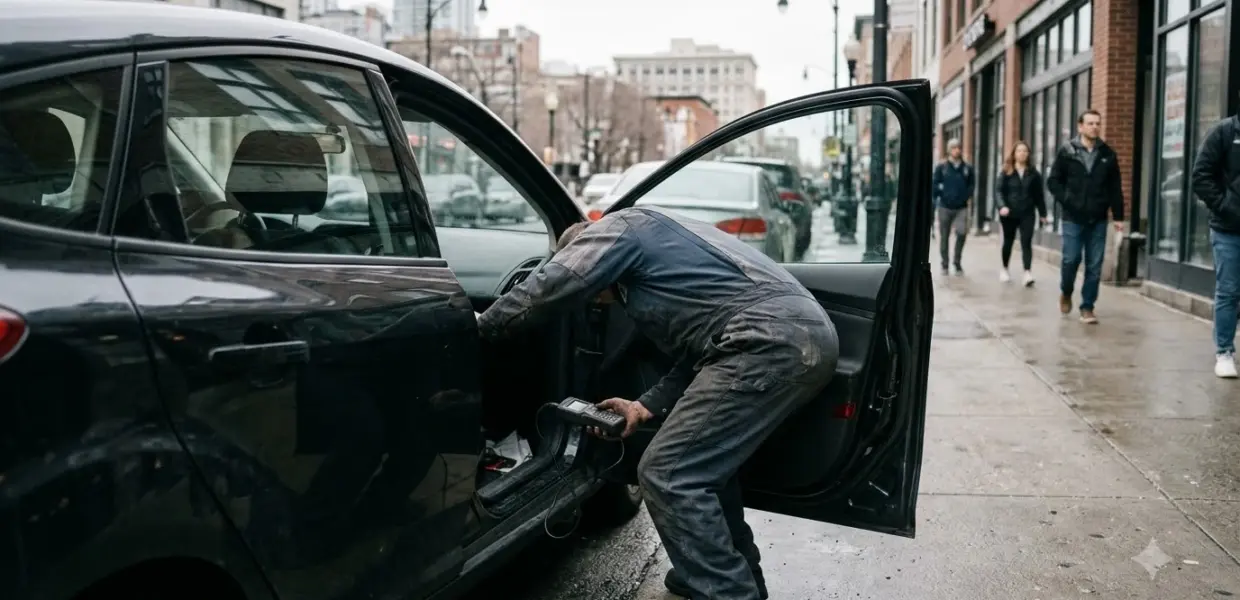

The Nissan Altima ABS light means the anti-lock braking system may not be working, while normal braking still works. A stored code tells you which part of the system to check, so read it before you buy any parts.
Whether the Nissan Altima ABS light points to a wheel speed sensor or a G-sensor depends on your model year and the stored code. Read the code first, then decide on the next step.
Brake and ABS faults affect how the car stops. This page gives general information, and a qualified technician should confirm the fault before any repair.
What the Nissan Altima ABS Light Means
The Altima ABS light comes on briefly at startup as a self-check, which Nissan describes as the ABS being operational. If it stays on or comes on while driving, the anti-lock system may not be working correctly, according to Nissan’s dashboard indicator guide.
A common worry is that the brakes have failed. Nissan’s guidance says otherwise. When anti-lock assistance turns off, the brake system operates normally without it, so the pedal still slows the car.
The anti-lock system keeps the wheels from locking during hard braking, which helps you keep steering control. When the Nissan Altima ABS light is on, that help is not available, so braking should be gentler and more deliberate until the system is checked.
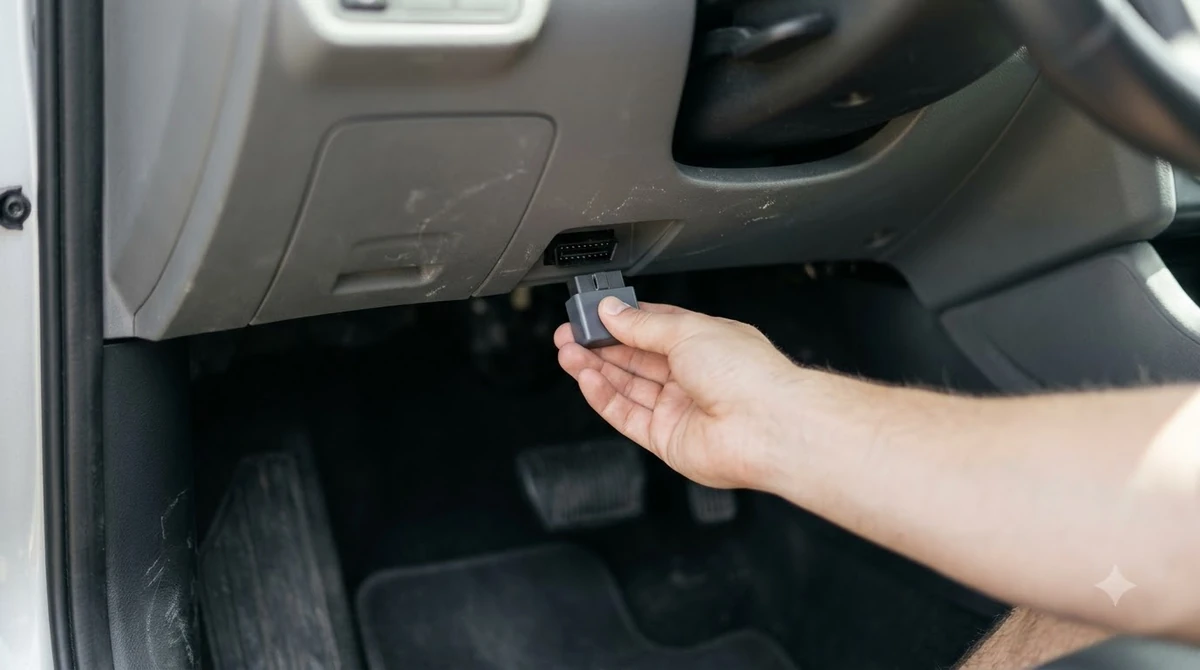
Is It Safe to Drive With the ABS Light On?
With the ABS light on, the normal brake system still works, but the car has no anti-lock assistance during hard stops. The light is a reason to get the system checked soon rather than later.
- ABS light: the anti-lock function is off, and normal braking still works.
- Brake warning light: it covers both the parking brake and the foot brake.
- Brake warning light and low fluid: it also warns of low brake fluid when the parking brake is off and the ignition is on.
- Both lights on together: treat this as a separate and more urgent issue, and have the brakes checked promptly.
Check which light is on before you decide what to do next. The brake warning light is the more serious signal, because it also covers low brake fluid. A Nissan Altima ABS light on its own points to the anti-lock system. If the red brake warning light is the one you see, read what the brake light on the dashboard means before you drive on.
These steps follow Nissan’s documented procedures only. If your Altima falls outside the model years listed in a bulletin, or the code is not on this page, the diagnosis may differ, and the service manual is the source to follow.
Common Codes by Area
Wheel speed sensor codes are the most common ABS codes that Nissan technical bulletins cover. The ABS/VDC wheel speed sensor bulletin BR10-007a lists the codes below for 2007 to 2013 Nissan vehicles with ABS/VDC. It does not name the Altima, so confirm your model year before you assume a Nissan Altima ABS light code applies to your car.
| Code | Area covered | Bulletin scope |
|---|---|---|
| C1101 to C1104 | Wheel speed sensor 1 | 2007 to 2013 Nissan with ABS/VDC |
| C1105 to C1108 | Wheel speed sensor 2 | 2007 to 2013 Nissan with ABS/VDC |
| C111F | Decel G-sensor stored in the ABS unit | 2019 to 2023 Altima (L34) |
The bulletin warns against replacing a sensor based on the code alone. Its diagnosis for codes C1101 to C1104 starts with a check of the suspect sensor for damage or deformation, then a check of the sensor’s output signal. Only a failed check leads to replacing the sensor, so a stored code is a starting point rather than a verdict. The C111F row has its own section below.
Reading the Codes Before Replacing Parts
Read the active codes with a scan tool before you replace any part. The bulletin says a code must be active before its diagnosis applies, so clear past codes and reproduce the problem first. A wheel speed fault is not the same as a vehicle speed fault, but a stored speed signal code such as the P0500 vehicle speed sensor code can appear in the same scan.
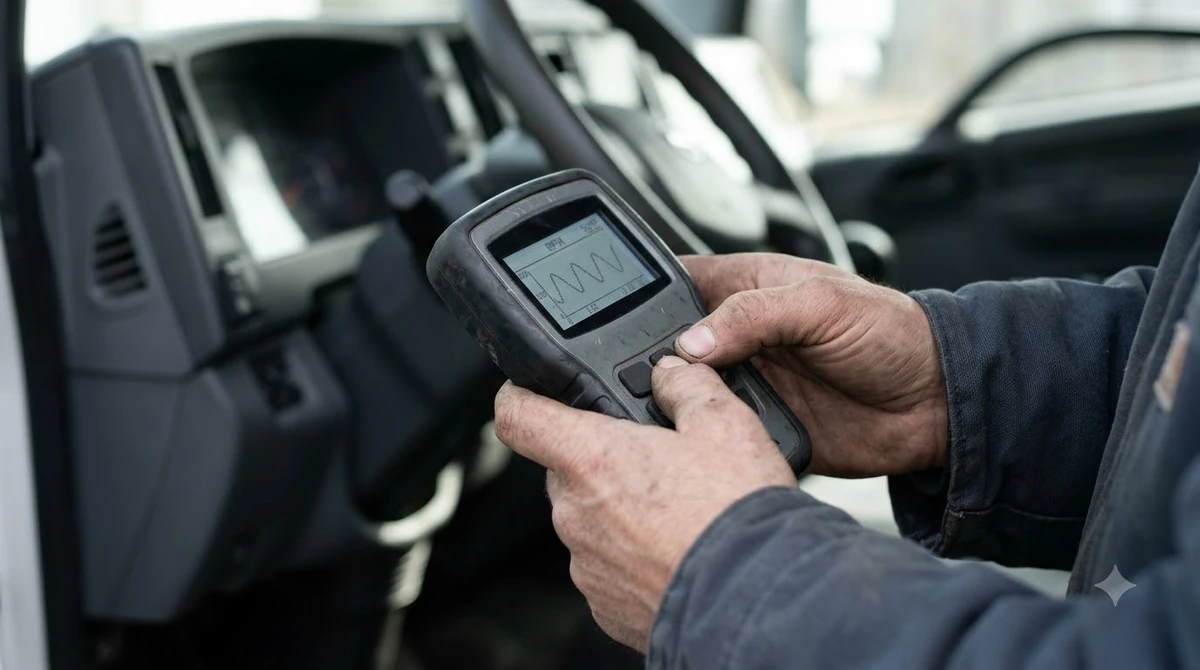
- Record every active code the ABS module reports.
- Clear the codes, then drive the car faster than 13 mph.
- Check whether the same code sets again.
- If it does, inspect the suspect sensor for damage or deformation before you replace anything.
Write down the exact code and whether it is active or past before you start. The bulletin’s procedure applies to active codes, and a clear record helps a shop compare results later.
The bulletin recommends CONSULT-III plus or the Wheel Sensor Tester J-45741 for a more efficient diagnosis. If you only have a basic reader, the codes it shows may not be enough to finish the job, so bring the codes for your Nissan Altima ABS light to a shop with Nissan tools.
Altima 2019 to 2023: The C111F G-Sensor Code
On 2019 to 2023 Altima models, DTC C111F stored as current in the ABS unit points to the decel G-sensor. The Nissan bulletin BR23-001, dated April 24, 2023, calls for a recalibration rather than a new control unit.
The calibration needs a level surface, such as an alignment rack. The bulletin notes that many service bay floors slope too much for a successful calibration.
- Calibrate the decel G-sensor using the service manual procedure.
- Check whether the DTC status changes to PAST.
- If it does, erase DTC C111F. If it does not, follow the service manual’s further diagnostics.
The bulletin also says not to replace the ABS control unit unless instructed to do so. The bulletin covers only the model years it lists, so check the model year before you follow these steps.
The bulletin’s steps refer to the Nissan electronic service manual, so a technician needs that manual to follow each step. A calibration is a shop task, not a roadside fix. If the Nissan Altima ABS light returns after a calibration, the bulletin points to further diagnostics in the service manual, which is a different path from an automatic module swap.
When to See a Dealer
Nissan recommends a dealer visit when the Nissan Altima ABS light stays on. Its technical bulletins are written for qualified technicians who have the right equipment, and they recommend Nissan’s CONSULT scan tool or a wheel sensor tester. A similar GM stability warning is explained in Chevy Cruze StabiliTrak warning causes.
Ask the shop to confirm the stored codes and the model year before any part is replaced. Ask for a diagnostic quote first, because the cost depends on the shop and the code.
If the Nissan Altima ABS light returns after a repair, go back to the same shop with the original code list and the repair order. Ask the shop to show you the stored codes, not only a summary. A printed list or a photo of the screen gives you a record to compare if the light comes back after a repair.
Bring the model year, the stored codes, the date the light came on, and a note on whether the light stays on or flashes. Those details help the technician start from the right bulletin.
Frequently Asked Questions
Does the Nissan Altima ABS light mean the brakes are broken?
No. Nissan says that when the ABS light is on, the brake system operates normally but without anti-lock assistance. Normal braking still works. The Nissan Altima ABS light does point to a fault in the anti-lock system, so have a qualified technician check it soon.
Does the Nissan Altima ABS light come on when I start the car?
Yes, a Nissan Altima ABS light usually comes on briefly at startup as a self-check. Nissan describes this as the ABS being operational. If the light stays on after startup, or it comes on while you are driving, the anti-lock system may not be working correctly and should be inspected.
Is the ABS light the same as the brake warning light?
No. The ABS light refers to the anti-lock system. The brake warning light covers both the parking brake and the foot brake, and it also warns of low brake fluid when the parking brake is off and the ignition is on. If the brake warning light is on, treat it as more urgent.
Which Altima years does code C111F apply to?
The Nissan bulletin BR23-001 applies to 2019 to 2023 Altima models, known as L34. It describes C111F as a decel G-sensor code stored as current in the ABS unit. Models outside that range are not covered, so check your model year and the service manual first.
Should I replace the ABS control unit for this code?
Not according to the bulletin. It says not to replace the ABS control unit unless instructed to do so. The recommended repair starts with a decel G-sensor calibration on a level surface, followed by checking whether the DTC status changes to PAST. A technician should make that call.
Can I clear the code and keep driving?
Clearing a code does not confirm the cause. The Nissan bulletin says to diagnose the code fully before repairs, then drive above 13 mph to see whether it resets. If the Nissan Altima ABS light returns, the fault is still present and needs a technician.
If the brake warning light is on with the Nissan Altima ABS light, have the brakes checked before you drive farther than necessary. If only the ABS light is on, book a diagnostic visit and bring the stored codes, so the technician can confirm the fault before parts are replaced.