
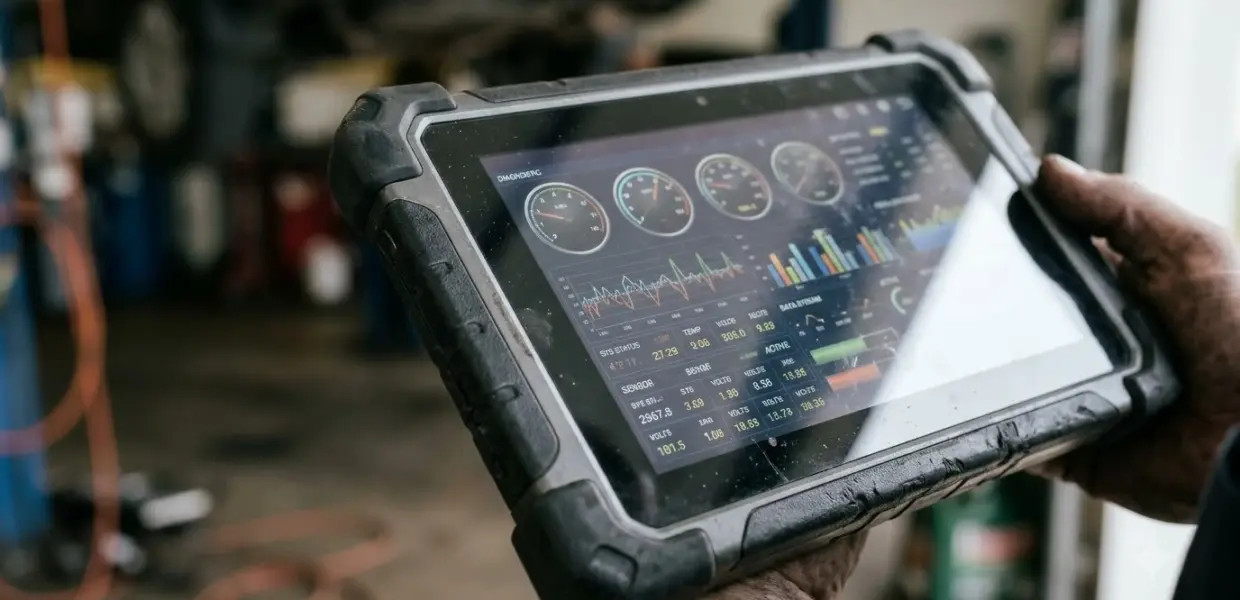

Engine knocking is a sharp metallic pinging sound caused when fuel and air ignite outside the normal flame front inside a cylinder. That extra shock wave raises cylinder pressure, and if it keeps happening, it can damage pistons and other engine parts.
Most cases trace back to low-octane fuel, worn spark plugs, carbon build-up or ignition timing that is set too far advanced. Check the fuel grade and warning lights first, then decide whether to keep driving.
This page gives general information, not a diagnosis. A loud or constant knock, or any warning light, means you should stop driving and have a qualified technician inspect the engine.
What Engine Knocking Sounds Like
Engine knocking sounds like a sharp metallic tapping or pinging from under the hood, most noticeable during acceleration or uphill driving.
The metallic pinging comes from the shock wave of detonation, so the sound is a direct sign that the fuel is burning in the wrong way. That makes engine knocking worth checking early rather than ignoring.
A simple check is whether the noise follows engine speed (RPM) rather than road speed. Knocking tracks RPM, so it tends to appear as the engine works harder, not only when the car gets faster. Other engine noises can sound similar, so compare what you hear with the table below.
| Sound | How it differs |
|---|---|
| Knocking | Sharp metallic tapping or pinging, most noticeable under acceleration or uphill |
| Ticking | Faster and lighter than knocking |
| Rattling | Sounds like loose parts shaking |
| Hissing | Resembles escaping steam or gas |
| Grinding | Deeper, often with vibration |
| Squealing | Higher-pitched than knocking |
What Causes Engine Knocking
The main causes of engine knocking are low-octane fuel, worn spark plugs, carbon deposits, a lean air-fuel mixture and over-advanced ignition timing. According to the car.co.uk repair guide, knocking may start right after refueling if the fuel grade is wrong. The other causes build up over time and change how the fuel burns inside the cylinder.
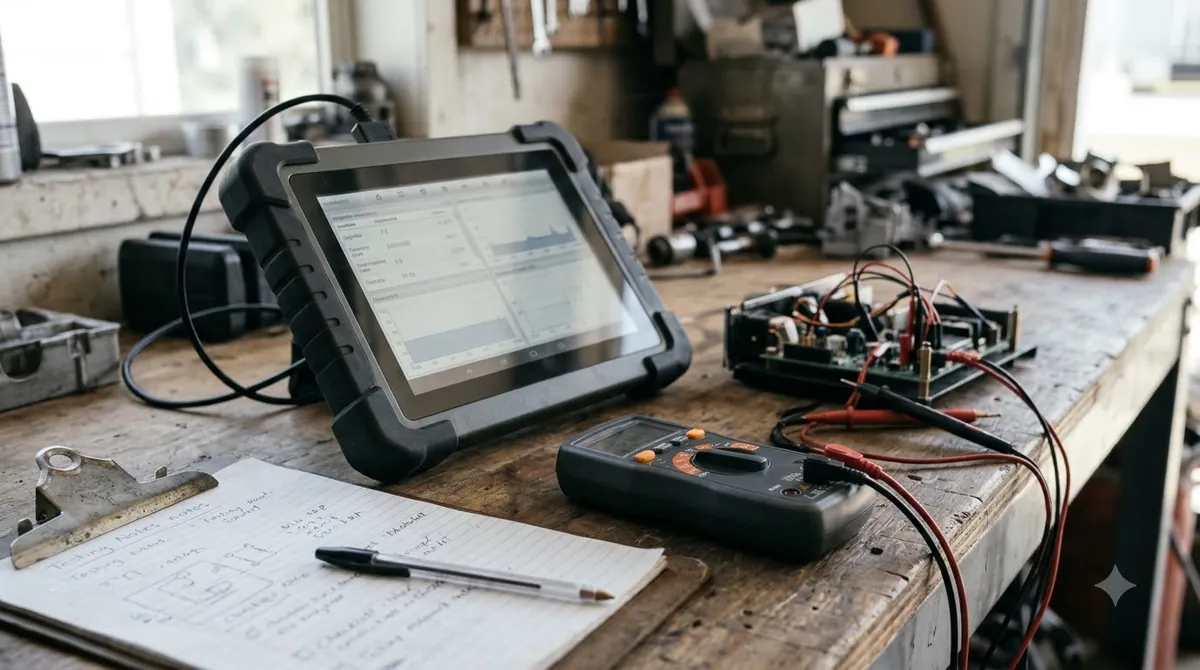
- Incorrect or low-octane fuel, which can start knocking right after refueling
- Worn or misfiring spark plugs that cause late or erratic combustion
- Carbon deposits that raise compression, common in cars with many short trips
- A lean air-fuel mixture from faulty MAF or oxygen sensors, a weak fuel pump, clogged injectors or air leaks
- Overly advanced ignition timing from poor ECU tuning, a stretched timing chain or modifications
Heat and pressure matter too. According to the Wikipedia article on engine knocking, unburned mixture ahead of the flame front can detonate when it is exposed to heat and pressure for long enough. Reducing the compression ratio lowers peak temperatures, which is one reason engineers use it to limit knock. A stored mass airflow sensor fault code can be one clue to the lean air-fuel mixture mentioned above.
How Octane Fuel Affects Engine Knocking
Octane is a measure of a fuel’s ability to resist knocking, so the grade your manual requires matters more than buying the highest number on the pump. The U.S. government’s fueleconomy.gov octane guide advises using the octane rating the manufacturer requires, as listed in the owner’s manual.
The same guide warns that running lower-octane fuel than required can damage the engine and the emissions control system, and it may also void your warranty. Newer cars adjust spark timing to reduce knock, but fueleconomy.gov notes that power and fuel economy still suffer when they do.
The same guide says higher-octane fuel helps prevent premature detonation in the cylinder. For an engine that asks for regular fuel, buying a higher grade is not needed, so the owner’s manual remains the reference point for engine knocking.
How Your Engine Protects Itself From Knock
A knock sensor listens for knock, and the engine computer retards ignition timing in steps of a few degrees until the knock stops. Knock sensors are piezoelectric, so they turn engine vibration into an electrical signal that the control system reads continuously. Timing is measured in crankshaft degrees. According to the Wikipedia article on engine knocking, spark typically fires 10 to 40 crankshaft degrees before top dead center, and excessive advance raises the risk of knock.
Modern systems control timing cylinder by cylinder and may also regulate boost when knock appears. Retarding timing is the standard remedy, so a timing fault that keeps the spark too far advanced is one of the causes that a technician checks first in an engine knocking complaint. On older cars with a distributor, that check is done with a timing light, and this guide covers checking ignition timing with a timing light.
Once the signal shows a knock pressure peak, the ECU pulls timing back. When the signal settles, timing moves forward again and holds the engine near its knock limit. This protects the engine, but it reduces power and fuel economy, which is why a repeated knock should not be ignored.
Why Engine Knocking Can Damage Your Engine
Each knock sends a shock wave through the cylinder, and severe knock can melt or punch holes through pistons or cylinder heads. The sudden pressure rise stresses the piston and combustion chamber every time it happens.
Moderate knock causes particle wear, and debris that reaches the oil causes abrasive wear on other parts. Under severe knock, the cylinder can lose pressure and fragments can enter the oil system. Damage of that kind is expensive, so a knock that keeps returning needs a technician’s attention early.
The damage described here comes from detonation. A deep knock from a worn bearing is a different failure, covered in the rod knock section below.
Engine Ticking and Rod Knock Are Different Sounds
Ticking is faster and lighter than knocking, while a deep, heavy knock from the bottom of the engine is a separate problem. Compare what you hear with the sound table in the first section, and note whether the noise changes under acceleration.
Rod knock is the term mechanics often use for a deep knock from the connecting rod bearings. The sources used for this page do not cover that failure in detail, so this page cannot give a diagnosis for it. A deep knock that persists is a reason for a professional inspection, not a do-it-yourself test.
What to Do When Your Engine Starts Knocking
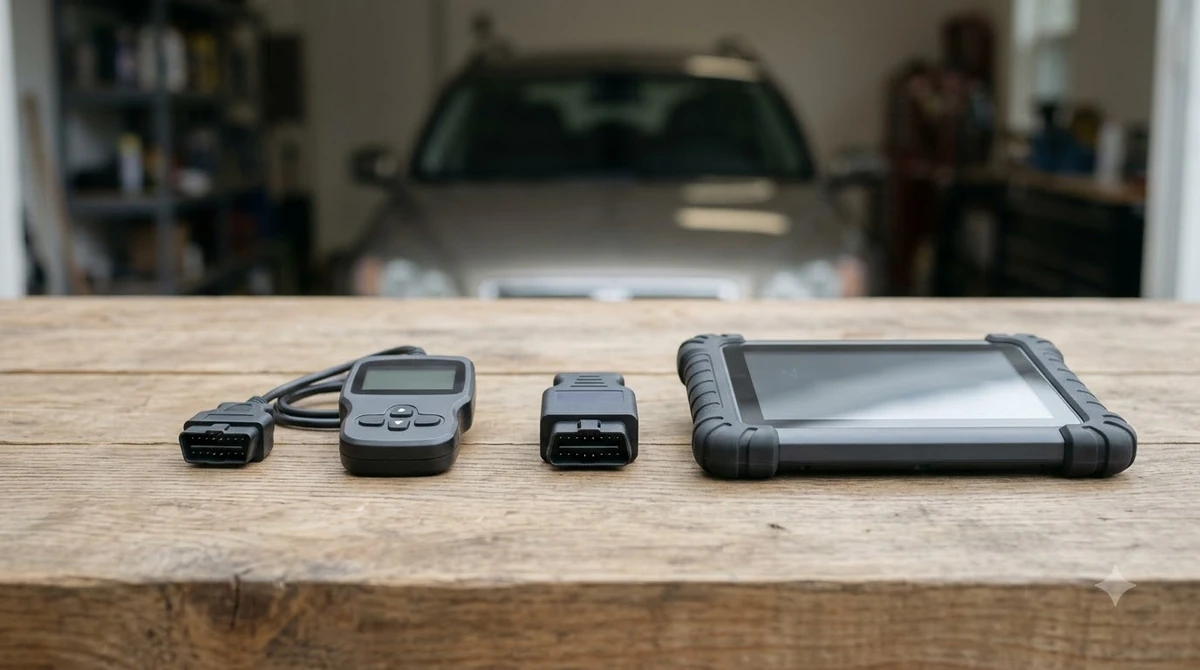
Ease off hard acceleration, check the fuel grade and oil level, and read any stored codes with an OBD2 scanner before you drive far. Stop the engine right away if the oil pressure warning lights up or the knock is loud and constant.
- Ease off hard acceleration and steep uphill loads until you know the cause.
- Compare the fuel grade you bought with the grade listed in your owner’s manual.
- Check the engine oil level with the dipstick, following the manual’s procedure.
- Connect an OBD2 scanner and write down any stored codes before clearing them.
- Book an inspection if the knock continues, grows louder, or the codes point to ignition or fuel faults.
Use your notes to choose the next step. If the knock appears only after refueling, the fuel grade is the first suspect. If it appears with a warning light, stop driving and arrange a tow rather than testing the engine further on your own.
Fixes for Engine Knocking and When to Call a Mechanic
Correct fuel, new spark plugs and carbon cleaning are common fixes, while timing faults and internal damage need a qualified technician. The table shows who usually handles each fix.
| Fix | Who usually does it |
|---|---|
| Use the octane grade in the owner’s manual | Driver |
| Pour-in carbon or fuel additive | Driver, as a DIY-safe option |
| Replace spark plugs | DIY with a torque wrench and room to work, otherwise a shop |
| Garage carbon or injector cleaning | Professional |
| Ignition timing check or ECU recalibration | Qualified technician |
The car.co.uk guide suggests replacing spark plugs every 30,000 to 60,000 miles, and it says to set the gap and torque correctly before clearing any misfire codes. Injector options range from pressurized cleaning and ultrasonic cleaning to replacement, and anything beyond a pour-in product belongs with a professional.
Carbon cleaning also comes in several forms. Fuel additives are the cheapest option, and a guide to pour-in injector cleaners and their limits shows what they can do. Professional intake and combustion chamber cleaning go further, and walnut blasting is an option for direct-injection engines. Regular longer highway runs help prevent carbon build-up, the car.co.uk guide says.
Repair usually makes sense when the knock is new, the cause is cheap, the car has resale value, or you rely on it daily. Scrapping becomes the better option when timing failure has already caused valve or piston damage, when a rebuild or replacement is recommended, or when the car is old, high mileage and low in value.
Related Guides
Frequently Asked Questions
Can I keep driving with engine knocking?
Short, gentle drives are less risky than hard acceleration, but no fixed rule makes knocking safe. Stop driving if the knock is loud, constant or comes with a warning light, and have the engine inspected soon.
Is pinging the same as engine knocking?
Yes. Pinging is another name for knock, and both describe the metallic sound made when air and fuel ignite outside the normal flame front. The sound is the same whether a driver calls it knocking or pinging.
Is pre-ignition the same as engine knocking?
No. Pre-ignition is a separate event from knock, although pre-ignition can be followed by knocking. If you hear a knock, the cause still needs a check, whatever its name.
Does a cheap fix usually solve engine knocking?
Often, yes, when the cause is simple. The car.co.uk guide lists fuel grade, spark plugs and light carbon as cheap causes worth checking first. Timing faults and internal damage cost more and need a technician.
Why does engine knocking get worse under acceleration?
Acceleration and uphill driving put the engine under heavy load. That raises heat and pressure in the unburned air-fuel mixture, which makes detonation more likely. Knock is most noticeable in exactly those conditions.
If knocking starts right after refueling, check the fuel grade against the owner’s manual before anything else. Write down when the sound appears, such as on a cold start, under acceleration or uphill. Those details help a technician narrow the cause and avoid costly internal damage.
